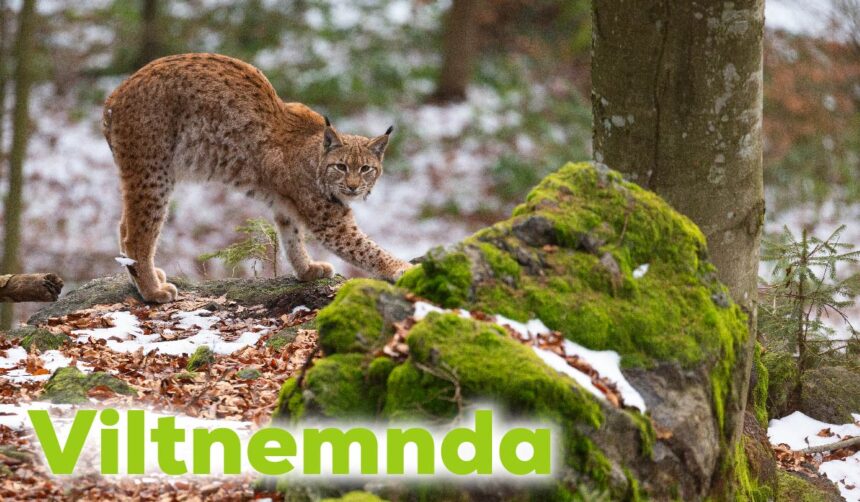
Viltnemnda is a local wildlife management committee in Norway responsible for regulating hunting, managing wildlife populations, and resolving human-wildlife conflicts at the municipal level. It works under national environmental laws to protect ecosystems and biodiversity while supporting community needs. Viltnemnda is a municipal wildlife authority that balances conservation, hunting, and human needs for sustainable wildlife management in Norway.
Introduction
Viltnemnda plays a critical role in modern Norway, where nature and human life are closely connected. The country is known for its rich biodiversity, including animals like moose, deer, and lynx, living across forests, mountains, and coastal fjords. However, as cities expand and human activity increases, wildlife is coming into closer contact with people. This has led to more road accidents, crop damage, and conflicts between humans and animals. At the same time, climate change is affecting habitats, migration patterns, and food availability for many species.
Because of these growing challenges, there is a strong need for organized and structured wildlife management. Viltnemnda provides that structure at the local level, ensuring that decisions are based on real conditions in each area. It helps protect both wildlife and human communities by promoting sustainability and biodiversity. The committee works to maintain balance so that ecosystems remain healthy while people can live and work safely.
In this article, you will learn about the meaning of Viltnemnda, the laws that guide it, its responsibilities, the role of technology, and what the future holds for wildlife management in Norway.
Understanding the Meaning of Viltnemnda
The word Viltnemnda comes from two Norwegian terms: “vilt,” which means wildlife, and “nemnda,” which means committee. When combined, the word simply means “wildlife committee.” However, its real meaning goes much deeper. Viltnemnda is not just a group of people; it is a local authority responsible for managing wildlife in a balanced and sustainable way.
In Norway, wildlife management is handled at the municipal level instead of being controlled only by the central government. This system allows decisions to be made closer to where the issues actually occur. For example, wildlife challenges in a forest area may be very different from those in a coastal region. Local committees like Viltnemnda understand these differences better than a centralized authority.
Localized decision-making is important because it allows policies to reflect real conditions, local knowledge, and community needs. It also encourages cooperation between residents, farmers, hunters, and environmental experts. This approach ensures that wildlife management is practical, flexible, and effective. As a result, Viltnemnda represents a system where local insight and national goals work together to protect nature.
History and Evolution of Wildlife Management in Norway
Wildlife management in Norway has changed greatly over time. In the past, people depended on hunting and fishing for survival. Wildlife was mainly seen as a resource for food and materials. During this early period, there were few rules, and local traditions guided how animals were used.
As Norway began to industrialize in the 19th and early 20th centuries, the situation changed. Urban growth, agriculture, and infrastructure development led to habitat loss and a decline in wildlife populations. This created a need for regulation and protection. The government started introducing laws to control hunting and protect certain species.
Over time, the focus shifted from simply using wildlife to conserving it. This is when systems like Viltnemnda began to develop. These committees were created to manage wildlife at the local level while following national guidelines. Their role expanded as environmental awareness grew and new challenges emerged.
Today, Viltnemnda combines traditional knowledge with modern science. It uses data, research, and community input to manage wildlife sustainably. The evolution from basic hunting practices to structured conservation shows how Norway has adapted to protect its natural heritage.
Legal Framework Behind Viltnemnda
Viltnemnda operates under a strong legal system that ensures wildlife is managed responsibly. Two important laws guide its work: the Nature Diversity Act and the Wildlife Act. These laws provide the rules and principles needed to protect ecosystems and manage animal populations.
The Nature Diversity Act focuses on preserving biodiversity. It requires that all decisions about nature must consider long-term environmental impacts. This law ensures that ecosystems remain healthy and balanced. It also promotes sustainable use of natural resources, meaning wildlife can be used without harming future generations.
The Wildlife Act deals more specifically with hunting and wildlife management. It sets rules for hunting seasons, quotas, and methods. It also ensures that animals are treated ethically and not harmed unnecessarily. This law helps control population levels and prevent overhunting.
National authorities create these laws, but Viltnemnda is responsible for applying them locally. This connection between national policy and local action ensures that wildlife management is both consistent and flexible. It allows Norway to maintain high environmental standards while addressing local challenges effectively.
Structure and Composition of Viltnemnda
Viltnemnda is made up of individuals with different backgrounds and expertise. Members often include wildlife experts, hunters, landowners, and representatives from local government. This mix of knowledge helps ensure that decisions are balanced and well-informed.
The presence of diverse members is important because wildlife management involves many different interests. Hunters may focus on sustainable use, while conservationists emphasize protection. Farmers may be concerned about crop damage, while officials focus on laws and safety. Bringing all these perspectives together leads to better decisions.
The committee usually has a structured decision-making process. Members meet regularly to discuss issues, review data, and make plans. They consider scientific research as well as local experiences. Community involvement is also encouraged, allowing residents to share their views and concerns.
This structure ensures that Viltnemnda remains connected to the people it serves. It creates trust and cooperation, which are essential for successful wildlife management. By combining expertise with local input, the committee can address challenges in a practical and effective way.
Core Responsibilities of Viltnemnda
Viltnemnda has many important responsibilities that support wildlife management in Norway. One of its main tasks is controlling wildlife populations. This involves monitoring animal numbers and setting hunting limits to keep populations balanced. If there are too many animals, it can lead to damage and ecological imbalance, so careful regulation is necessary.
Another key responsibility is managing hunting activities. Viltnemnda ensures that hunting is done in a legal and ethical way. It sets quotas, defines hunting seasons, and promotes responsible practices. This helps maintain healthy wildlife populations while allowing sustainable use.
The committee also deals with human-wildlife conflicts. Animals may damage crops, attack livestock, or cause road accidents. Viltnemnda works to reduce these problems by finding practical solutions and supporting affected communities.
Handling injured animals and roadkill is another important role. The committee ensures that animals are treated humanely and that incidents are managed safely. This includes working with veterinarians and local authorities.
Viltnemnda also provides compensation for damages caused by wildlife. This helps farmers and landowners recover losses and encourages cooperation with conservation efforts.
Finally, public education is a major responsibility. The committee raises awareness about wildlife conservation, ethical hunting, and environmental protection. Through education, it helps build a culture of respect for nature.
How Viltnemnda Manages Human-Wildlife Conflict
Human-wildlife conflict is a growing issue in Norway, and Viltnemnda plays a key role in managing it. These conflicts often involve animals damaging crops, attacking livestock, or causing road accidents. As human activity expands, these interactions become more frequent.
Viltnemnda uses several methods to reduce conflicts. One approach is creating wildlife corridors, which allow animals to move safely between habitats without entering human areas. Fencing is also used to protect farmland and reduce damage.
Hunting quotas are another important tool. By controlling population sizes, the committee can reduce the number of animals that may cause problems. In some cases, animals may be relocated to safer areas.
The committee also focuses on humane treatment. Even when animals are involved in conflicts, they are handled with care and respect. Injured animals receive treatment, and actions are taken to minimize suffering.
By combining prevention, management, and humane practices, Viltnemnda ensures that conflicts are handled responsibly while protecting both people and wildlife.
Role of Hunting in Wildlife Management
Hunting is an essential part of wildlife management in Norway. While it may seem surprising, controlled hunting helps maintain balance in ecosystems. Without it, some animal populations could grow too large, leading to food shortages and environmental damage.
Viltnemnda regulates hunting carefully. It sets quotas that limit how many animals can be hunted each season. These quotas are based on scientific data and population studies. Hunting seasons are also defined to protect animals during breeding periods.
Ethical hunting is strongly promoted. Hunters are expected to follow rules that ensure animals are treated humanely. This includes using proper equipment and avoiding unnecessary suffering.
Through these measures, hunting becomes a tool for conservation rather than a threat. It helps control populations, supports ecosystems, and maintains a balance between human activity and nature.
Technology Used by Viltnemnda in Wildlife Management
Technology has greatly improved how Viltnemnda manages wildlife. One important tool is GPS tracking, which allows experts to monitor animal movements in real time. This helps identify migration patterns and areas where conflicts may occur.
Drones are also used to survey large areas quickly. They provide valuable information about habitats, population sizes, and environmental conditions. This is especially useful in remote regions.
Camera traps are another effective tool. These cameras capture images of animals in their natural environment, providing data on behavior and species diversity. This information helps guide decision-making.
In the future, advanced technologies like artificial intelligence and predictive analytics may play a larger role. These tools can analyze data more efficiently and predict trends, helping Viltnemnda make better decisions.
By using technology, the committee can manage wildlife more accurately and effectively, ensuring better outcomes for both animals and people.
Role of Community Engagement in Viltnemnda
Community involvement is a key part of Viltnemnda’s success. The committee works closely with local residents, farmers, and hunters to ensure that everyone has a voice in wildlife management.
Public consultations and workshops are regularly held to gather feedback and share information. These events allow people to express concerns and learn about conservation efforts. They also help build trust between the committee and the community.
Community programs encourage active participation. Residents may help monitor wildlife, report sightings, or take part in conservation activities. This creates a sense of shared responsibility.
By engaging the community, Viltnemnda ensures that its work is supported and effective. Local knowledge and cooperation play a major role in achieving long-term sustainability.
Wildlife Damage and Compensation System
Wildlife can sometimes cause damage to farms and property, and Viltnemnda provides a system to address this issue. Farmers and landowners can report damage caused by animals, such as destroyed crops or injured livestock.
The committee then assesses the situation and determines compensation. This process ensures fairness and helps maintain trust between the community and wildlife authorities.
Compensation is important because it reduces the financial burden on individuals. It also encourages people to support conservation efforts instead of seeing wildlife as a threat.
By combining compensation with preventive measures, Viltnemnda helps reduce conflict and promote coexistence.
Collaboration with Other Authorities and Organizations
Viltnemnda does not work alone. It collaborates with municipalities, environmental agencies, and research institutions. This cooperation ensures that wildlife management is well-coordinated and effective.
Municipalities provide local support and help implement policies. Environmental agencies offer guidance and ensure that national laws are followed. Research institutions contribute scientific data and analysis.
These partnerships allow Viltnemnda to make informed decisions and address complex challenges. By working together, different organizations can achieve better results and protect wildlife more effectively.
Challenges Faced by Viltnemnda
Viltnemnda faces several challenges in its work. Climate change is one of the biggest issues, as it affects habitats and animal behavior. Changes in temperature and weather can disrupt ecosystems and make management more difficult.
Habitat loss due to urbanization is another major challenge. As cities expand, natural areas shrink, forcing animals into closer contact with humans. This increases conflict and reduces available resources.
Funding can also be a limitation. Managing wildlife requires resources for research, monitoring, and education. Limited budgets can affect how much the committee can do.
Public perception is another challenge. Not everyone agrees on how wildlife should be managed, especially when it comes to hunting or population control.
Despite these challenges, Viltnemnda continues to adapt and find solutions, ensuring that wildlife management remains effective.
Success Stories of Viltnemnda
Viltnemnda has achieved many positive results in wildlife management. One example is the control of moose populations, which has helped reduce road accidents and improve safety.
Habitat restoration projects have also been successful. By protecting and restoring natural areas, the committee has supported biodiversity and improved ecosystems.
Community involvement has grown over time, with more people participating in conservation efforts. This has strengthened cooperation and awareness.
These success stories show that Viltnemnda’s approach works. Through careful planning and collaboration, it has made a real difference in protecting wildlife.
Viltnemnda Compared to Other Countries
Norway’s approach to wildlife management is unique because it relies on local committees like Viltnemnda. In many other countries, wildlife management is controlled by central authorities.
The local system offers several advantages. It allows decisions to be tailored to specific areas, making them more effective. It also encourages community involvement and builds trust.
Centralized systems may be more uniform, but they can lack flexibility. They may not fully understand local conditions or needs.
Viltnemnda’s model shows how local governance can improve wildlife management. It provides a balance between national policies and local realities.
Future of Viltnemnda – Trends and Opportunities
The future of Viltnemnda looks promising, with new opportunities for growth and improvement. Technology will continue to play a major role, especially with the use of AI and data analysis.
Sustainability will remain a key focus, ensuring that wildlife and ecosystems are protected for future generations. Global collaboration may also increase, allowing Norway to share knowledge and learn from other countries.
At the same time, challenges like climate change will require new strategies. Adaptive management will be important to respond to changing conditions.
By embracing innovation and cooperation, Viltnemnda can continue to lead in wildlife management.
Why Viltnemnda Is Important for Local Communities
Viltnemnda has a strong impact on local communities. It helps protect farmers by reducing damage and providing compensation. It supports hunters by ensuring fair and sustainable practices.
The committee also improves safety by managing wildlife populations and reducing accidents. At the same time, it protects ecosystems, which are important for tourism and local economies.
By balancing different needs, Viltnemnda creates benefits for both people and nature. Its work supports social and economic stability while preserving the environment.
Conclusion
Viltnemnda is a key part of Norway’s approach to wildlife conservation. It ensures that ecosystems remain balanced while meeting the needs of human communities. By combining local knowledge, scientific data, and strong laws, it creates a system that works effectively.
As environmental challenges continue to grow, the role of Viltnemnda will become even more important. Its focus on sustainability and cooperation will help protect wildlife for future generations.
Viltnemnda represents one of the most effective models of local wildlife governance in the world.