Introduction
Calamariere is a word that has recently started appearing in food blogs, restaurant menus, and online searches, leaving many people curious about its true meaning. Is Calamariere a specific Mediterranean dish, a refined cooking style, or simply another version of calamari? Some readers even confuse Calamariere with Calamarata, the well-known ring-shaped pasta from Naples. This confusion has sparked growing interest, especially among home cooks and seafood lovers who want clarity.
The rise of the Mediterranean diet, the increasing focus on healthy seafood options, and the influence of visually appealing social media food content have all contributed to the popularity of Calamariere. People are searching for authentic culinary experiences, and the name Calamariere sounds artisanal, traditional, and elegant, which naturally attracts attention.
In this detailed guide, you will learn the exact meaning of Calamariere, its linguistic origin, how it differs from similar terms, its historical background, proper cooking techniques, nutritional value, cultural importance, and why it continues to gain relevance in modern gastronomy.
What Is Calamariere?
Calamariere refers to a Mediterranean-inspired approach to preparing squid with emphasis on texture, freshness, and balanced flavor. It is not a single officially documented historical dish, nor is it a standardized culinary term found in traditional dictionaries. Instead, Calamariere functions as a conceptual culinary expression that highlights refined squid preparation rooted in Mediterranean traditions.
At its core, Calamariere represents a squid-centered cooking philosophy that values technique over heavy seasoning. Rather than masking the natural flavor of squid with thick sauces or excessive spices, the Calamariere approach focuses on respecting the delicate texture of the seafood. Squid is famously sensitive to cooking time, becoming either perfectly tender or unpleasantly rubbery depending on technique.
Calamariere cooking emphasizes mastering this balance. It is about understanding when to cook squid quickly at high heat or gently for longer periods, ensuring tenderness and flavor harmony. This concept celebrates freshness, minimalism, and culinary restraint, making Calamariere more of a cooking mindset than a single recipe.
Calamariere Meaning & Linguistic Origin
The word Calamariere draws linguistic inspiration from the Italian word “calamaro,” which means squid, and its plural form “calamari.” The suffix “-iere” often appears in Romance languages to suggest profession, vessel, or stylistic identity, giving the term an artisanal tone. When combined, Calamariere suggests a squid-focused culinary style rather than a fixed dish. Food terminology frequently evolves organically, especially in Mediterranean cultures where cooking traditions are passed down through generations. Words are often shaped by usage, regional dialects, and culinary creativity. Calamariere follows this natural evolution, sounding refined and evocative without being formally codified. Its appeal lies in how it blends familiarity with elegance, making it both approachable and distinctive.
Element | Meaning
Calamaro | Italian for squid
Calamari | Plural form of squid
-iere | Style or identity suffix
Calamariere | Squid-focused culinary style
Calamariere vs Calamarata – The Most Common Confusion
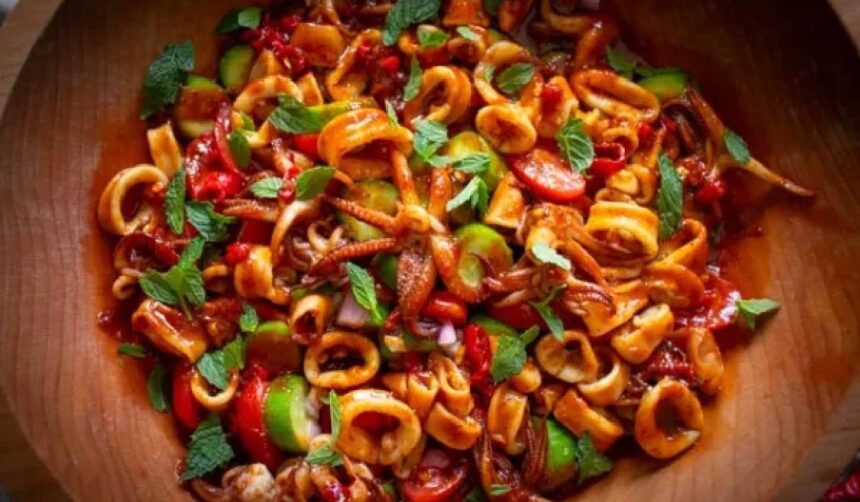
One of the biggest sources of confusion surrounding Calamariere is its similarity to Calamarata. Calamariere refers to a squid preparation style or culinary concept centered on squid itself. In contrast, Calamarata is a thick, ring-shaped pasta from Naples designed to resemble sliced calamari rings. Because both terms share linguistic roots and visual associations, many people mistakenly believe they are interchangeable. The traditional Neapolitan dish “Calamarata con Calamari” combines both elements: pasta rings mixed with real squid rings in a tomato-based sauce. When cooked, the pasta and squid look nearly identical, creating a playful textural surprise. Understanding Calamariere vs Calamarata is essential for clarity, especially for readers researching Mediterranean cuisine.
Term | Refers To | Category | Origin
Calamariere | Squid preparation style | Culinary concept | Mediterranean
Calamarata | Ring-shaped pasta | Pasta type | Naples, Italy
Historical Roots of Calamariere in Mediterranean Cuisine
The concept behind Calamariere can be traced to the coastal regions of the Mediterranean, where fishing communities have relied on squid as a vital food source for centuries. In Italy, Greece, Spain, and southern France, squid has long been prepared simply, using fresh ingredients available near the sea. Families would cook freshly caught squid with olive oil, garlic, herbs, and seasonal vegetables, emphasizing natural flavor rather than complexity. Seasonal seafood culture shaped these traditions, as coastal communities adapted their cooking to daily catches. Preservation techniques such as salting or drying were occasionally used historically, but fresh preparation was always preferred when possible. Mediterranean cooking values simplicity, ingredient integrity, and communal dining, and Calamariere reflects this cultural identity rooted in respect for the ocean.
Core Principles of Calamariere Cooking
Calamariere cooking is guided by a few essential principles that define its authenticity and success. Texture control is paramount, as squid must be cooked either very quickly at high heat or slowly and gently for extended periods; anything in between risks toughness. Freshness is another cornerstone, as high-quality squid dramatically improves flavor and tenderness. The philosophy emphasizes minimal seasoning, allowing olive oil, garlic, and citrus to enhance rather than dominate the dish. Ingredient harmony ensures that no single component overwhelms the squid’s delicate sweetness. Olive oil acts as the foundational element, providing richness without heaviness. These principles make Calamariere both instructional and deeply rooted in Mediterranean culinary wisdom.
How to Prepare Squid Properly for Calamariere
Preparing squid correctly is essential for achieving authentic Calamariere results. Cleaning involves removing the beak located at the center of the tentacles, carefully extracting the ink sac, and pulling out the transparent quill from inside the body tube. The squid should then be rinsed thoroughly under cold water to remove any residue. Slicing techniques vary depending on the intended preparation, with rings suitable for frying or grilling and whole tubes ideal for stuffing. Tenderizing tips often include soaking the cleaned squid in salted milk, as lactic acid gently breaks down muscle fibers while reducing strong odors. Acidic marinades containing lemon or vinegar can also assist in tenderizing. For storage, fresh squid should be kept refrigerated and used within one to two days to preserve quality.
Cooking Methods Associated with Calamariere
Calamariere embraces multiple cooking techniques when executed with precision. Quick frying requires oil heated between 350°F and 365°F, with squid cooked for only two to three minutes to maintain tenderness; overcrowding the pan must be avoided to prevent temperature drops. Grilling involves lightly coating the squid in olive oil and placing it over high heat for a short duration, allowing slight char marks while preserving softness. Slow braising utilizes a tomato base with garlic and white wine, simmering for 20 to 30 minutes to gently break down collagen and create a tender texture. Stuffed squid preparations include herb-based fillings and Mediterranean breadcrumbs, baked gently to retain moisture and flavor balance.
Top Calamariere Recipe Ideas
Classic Fried Calamariere features lightly floured squid rings flash-fried until golden and served with lemon. Grilled Lemon Garlic Calamariere highlights olive oil, fresh herbs, and citrus zest for a smoky yet bright finish. Calamariere Stew with Tomatoes combines garlic, cherry tomatoes, chili flakes, and white wine for a comforting Mediterranean dish. Cala mariere with Calamarata Pasta blends tender squid with ring-shaped pasta in a tomato-garlic sauce, merging tradition with visual appeal. Each recipe framework maintains simplicity and emphasizes technique over elaborate ingredients.
Mediterranean Ingredients That Define Calamariere
Olive oil provides smooth richness and supports even cooking. Garlic contributes aromatic depth without overpowering the squid. Lemon adds brightness and enhances natural sweetness. Cherry tomatoes bring subtle acidity and color. Parsley and basil introduce freshness and fragrance. Chili flakes add mild heat when desired. Sea salt enhances flavor clarity. Each ingredient complements rather than masks the squid, maintaining harmony central to Calamariere.
Nutritional Benefits of Calamariere
Calamariere offers impressive nutritional value when prepared simply. Squid is high in protein and low in calories, making it suitable for balanced diets. It contains significant amounts of Vitamin B12, which supports nerve function, and selenium, which strengthens immune health. Omega-3 fatty acids contribute to heart wellness, while iron and zinc support blood health and immunity. These benefits align with Mediterranean diet principles, positioning Calamariere as a lean seafood alternative for health-conscious individuals.
Nutrient | Benefit
Protein | Muscle repair
Omega-3 | Heart health
B12 | Nerve function
Selenium | Immune support
Calamariere in Modern Culinary Culture
In contemporary gastronomy, Calamariere bridges rustic tradition with creative reinterpretation. Social media platforms have amplified its appeal due to its photogenic presentation of golden rings and fresh herbs. Fine dining establishments reinterpret squid dishes with refined plating techniques while maintaining Mediterranean authenticity. Fusion cuisine adapts Calamariere concepts using global spices or innovative sides, expanding its reach beyond coastal Europe. This evolution demonstrates how traditional seafood preparation can thrive in modern culinary landscapes.
Regional Variations Across the Mediterranean
In Italy, fried squid and pasta pairings dominate coastal menus. Greece emphasizes grilled squid with lemon and oregano. Spain often prepares squid with garlic and olive oil, creating simple yet bold flavors. Southern France incorporates white wine sauces and subtle herbs. Climate, local produce, and cultural preference shape each variation, yet the foundational philosophy of respecting squid texture remains constant.
Common Mistakes When Cooking Calamariere
Overcooking is the most frequent mistake, resulting in a rubbery texture. Using old or improperly stored squid compromises flavor and tenderness. Heavy sauces can overwhelm delicate seafood notes. Frying at low oil temperatures leads to greasy results. Failing to dry squid before frying prevents crispness. Avoiding these mistakes ensures successful Calama riere preparation.
Best Sauces and Side Dishes for Cala mariere
Marinara sauce provides classic tomato richness. Aioli delivers creamy garlic depth. Lemon garlic sauce enhances brightness. Light salads balance richness. Rustic bread complements stews. Grilled vegetables add texture and color. These accompaniments maintain the light and harmonious nature of Cala Mariere.
Wine & Beverage Pairings
Pinot Grigio and Sauvignon Blanc pair well due to their crisp acidity. Sparkling wine refreshes the palate between bites. Lemon water and mint lemonade offer non-alcoholic freshness. Light beverages complement seafood without overpowering its subtle flavor.
Is Calamariere a Real Culinary Term or a Modern Interpretation?
Calamariere is not a standardized dictionary entry but reflects evolving food vocabulary shaped by culinary creativity. As chefs and food writers experiment with terminology, new expressions emerge to describe styles and philosophies. Calamariere represents such evolution, blending linguistic roots with modern branding influence. Its growth illustrates how digital culture contributes to culinary language expansion.
Cultural Significance of Calamariere
Calamariere symbolizes Mediterranean community meals shared by the sea. It reflects coastal identity and seasonal seafood traditions passed through generations. Family gatherings centered around simple squid dishes highlight respect for the ocean’s harvest. Beyond flavor, Cala mariere represents cultural continuity and mindful cooking.
Conclusion
Calamariere embodies the essence of Mediterranean cooking through simplicity, technique, and ingredient respect. It is more than a word; it is a culinary philosophy centered on squid preparation, health benefits, and cultural heritage. Its adaptability allows it to thrive in modern gastronomy while remaining rooted in tradition. By mastering texture and embracing minimalism, anyone can bring Calamariere into their kitchen. Its enduring appeal lies in balance, authenticity, and the timeless beauty of simple seafood done right.