Introduction
Valplekar is a name that has recently gained attention online as more people search for its meaning, origin, and cultural background. Many users are confused about whether Valplekar is a surname, a cultural term, or even related to the Swedish word “valplekar,” which means puppy play. However, Valplekar is primarily an Indian surname with strong regional and linguistic roots. It carries historical and cultural significance, especially in parts of western India.
In 2026, interest in surnames like Valplekar has increased due to growing curiosity about ancestry, genealogy, and family history. People want to understand where their names come from and what they represent. Searches often include questions about the meaning of Valplekar, its connection to Maharashtra, Goa, or Karnataka, and whether it is linked to a particular community or region. There is also interest in how families with this surname migrated across India and abroad.
This article explores the full background of Valplekar, including its meaning, linguistic roots, regional ties, historical development, and modern relevance. It also explains the difference between the Indian surname Valplekar and the Swedish term that sounds similar. By the end, readers will have a clear understanding of Valplekar as a symbol of identity, heritage, and continuity across generations.
What Is Valplekar?
Valplekar is a traditional Indian surname primarily associated with the western coastal regions of India, especially Maharashtra, Goa, and parts of Karnataka. The name typically indicates geographical origin, and the suffix “-kar” in the Marathi and Konkani languages means “from” or “belonging to.” Therefore, Valplekar likely refers to a family that originally came from a place known as Valple or a similar-sounding village.
In Indian naming traditions, surnames often reflect ancestry, occupation, or place of origin. Valplekar fits within this pattern of location-based surnames. Over time, such names became hereditary and were passed down through generations, forming part of a family’s identity.
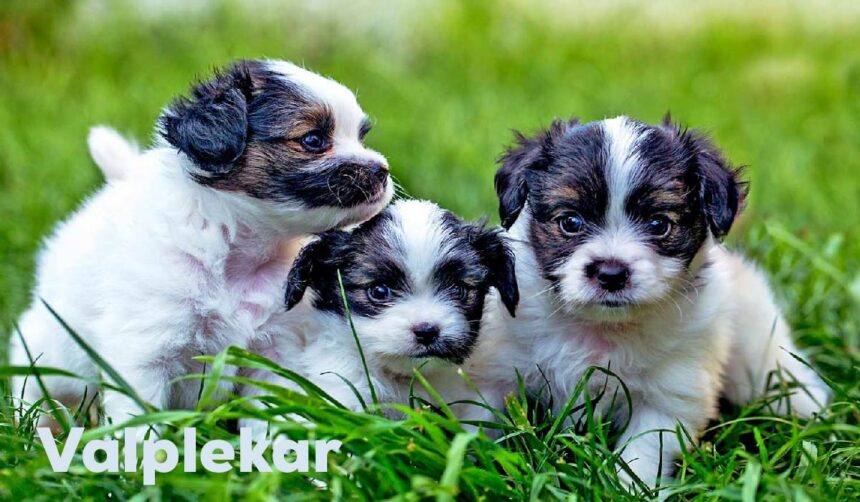
It is important to clarify that Valplekar, as an Indian surname, is different from the Swedish word “valplekar,” which refers to puppy play. While the spellings may look similar in English, their meanings and cultural contexts are completely separate. In India, Valplekar functions as a family name that connects individuals to their regional and linguistic roots. Understanding this distinction helps prevent confusion and ensures accurate interpretation of the name in cultural and historical contexts.
The Origin and Etymology of the Valplekar Surname
The surname Valplekar most likely originated in western India, particularly in the coastal belt that includes Maharashtra, Goa, and parts of Karnataka. These regions have long histories of village-based communities where surnames were formed according to geographical association. In such traditions, a family name often indicated the place from which a person or their ancestors came.
The suffix “-kar” is common in Marathi and Konkani surnames. Linguistically, “-kar” means “of” or “from,” suggesting a link to a specific location. For example, surnames like Sawantkar, Kamatkar, or Deshkar follow similar patterns. This structure suggests that Valplekar may have originally referred to people from a village or area called Valple or something similar in pronunciation.
In earlier times, when people migrated from their native villages to other towns or regions, they were often identified by their place of origin. Over generations, these identifiers became fixed surnames. This process transformed a geographical reference into a hereditary family name. Although the exact village linked to Valplekar may not be widely documented, the structure of the name clearly reflects this traditional naming system.
The etymology of Valplekar therefore, highlights a strong connection to regional language and geography. It represents a naming pattern deeply rooted in the social and cultural practices of western India.
Historical Background of Surnames Like Valplekar
Indian surnames developed gradually over centuries. In ancient and medieval India, individuals were often identified by a single name along with references to their father, village, profession, or community. Over time, especially during the pre-colonial and colonial periods, more formal systems of record-keeping encouraged the consistent use of surnames.
In western India, village-based identification was common. As administration became more organized, especially under regional kingdoms and later British rule, land records and tax systems required stable family names. This led to the formal adoption of surnames that could be passed down through generations. Names like Valplekar likely became hereditary during this period.
Surnames also served as markers of social identity. They could indicate region, occupation, or community affiliation. In many cases, they helped preserve family lineage and made it easier to trace ancestry. Over time, these names became part of legal documents, educational certificates, and official records.
The evolution of surnames such as Valplekar reflects this broader historical process. What may have started as a simple description of origin gradually became a lasting family identity. Today, such surnames serve as living connections to history, carrying stories of migration, settlement, and adaptation across generations.
Cultural and Regional Significance of the Name Valplekar
The surname Valplekar holds cultural importance within the regions where it is found. In Maharashtra, Goa, and nearby areas, surnames often carry strong ties to local language, customs, and community traditions. Valplekar likely connects families to Marathi or Konkani linguistic heritage, both of which have rich literary and cultural histories.
Within regional communities, surnames help maintain a sense of belonging. They connect individuals to extended family networks and shared traditions. Even when families move to urban centers or abroad, the surname remains a reminder of ancestral roots. This sense of continuity strengthens cultural identity.
Historically, families with location-based surnames were often involved in occupations connected to village life. These could include agriculture, trade, temple administration, or local governance. While it is not accurate to assign a specific occupation to every Valplekar family, the broader cultural setting suggests ties to traditional community structures.
Cultural pride is often expressed through festivals, language preservation, and family gatherings. In many households, stories about ancestors and their original village are passed down to younger generations. Through these practices, the name Valplekar becomes more than a label. It becomes a symbol of heritage and shared history that continues to shape identity in modern times.
Linguistic Structure and Language Influence Behind Valplekar
The linguistic structure of Valplekar reflects the phonetic patterns of Marathi and Konkani, two languages widely spoken in western India. The suffix “-kar” is a defining feature in many surnames from these regions. It indicates association with a place and is pronounced clearly as “kar,” with emphasis on the final syllable.
The first part of the name, “Valple,” may represent a village name or a local geographical term. In many cases, such prefixes evolved slightly over time due to changes in pronunciation, spelling, or administrative recording. This explains why similar surnames sometimes appear in slightly different forms.
Pronunciation of Valplekar may vary depending on regional accents. In Marathi-speaking areas, the name may have a distinct rhythm, while in Konkani-speaking communities, it may sound softer. When written in English or Roman script, spelling variations can occur, especially among diaspora communities.
Global transliteration has influenced how surnames are recorded in passports, educational certificates, and online profiles. Despite these variations, the core linguistic identity remains intact. The structure of Valplekar clearly aligns with Western Indian naming traditions, reinforcing its cultural and regional roots. This linguistic foundation also makes the name searchable in language-based and genealogy-related queries.
Migration and the Global Presence of the Valplekar Name
Over the past century, many Indian families have migrated within the country and abroad for education, employment, and business opportunities. The surname Valplekar has likely traveled with such families to metropolitan cities like Mumbai, Pune, Bengaluru, and beyond. In recent decades, international migration has further expanded its presence.
Today, individuals with the surname Valplekar may be found in countries such as the United States, the United Kingdom, Canada, and nations in the Middle East. Many migrated for higher education or careers in fields such as information technology, engineering, healthcare, and finance. Despite living abroad, families often maintain strong connections to their cultural roots.
Maintaining the surname in multicultural societies reflects a commitment to heritage. Second and third-generation immigrants frequently retain their family name as a way to honor their ancestry. Community associations, cultural events, and family traditions help preserve this identity across borders.
The global presence of Valplekar demonstrates how traditional surnames adapt to modern realities. Even in diverse societies, such names remain markers of origin and belonging, linking individuals to their ancestral homeland.
Valplekar in the Modern Digital Era
In the digital age, surnames like Valplekar have gained new relevance. Online genealogy platforms allow individuals to research family history and connect with relatives across regions and countries. Digital archives, social media groups, and ancestry databases have made it easier to trace lineage and preserve family records.
The internet has also transformed how people perceive their surnames. A unique surname like Valplekar can serve as a distinct personal brand in academic and professional spaces. It helps individuals stand out while maintaining a connection to their roots.
Search trends show that many people now Google their surnames to learn about meaning, origin, and historical background. Curiosity about identity and ancestry has increased, especially among younger generations. This digital curiosity brings attention to names that may once have been known only within local communities.
Through technology, the name Valplekar continues to evolve while retaining its historical essence. It becomes part of online identity, professional profiles, and global communication networks.
Difference Between “Valplekar” (Surname) and “Valplekar” in Swedish
A common source of confusion arises from the similarity between the Indian surname Valplekar and the Swedish word “valplekar.” In Swedish, “valplekar” refers to puppy play or playful activities involving puppies. This meaning is entirely unrelated to the Indian surname.
The similarity exists only in Roman spelling. In a cultural and linguistic context, the two terms are completely different. The Indian Valplekar is a hereditary family name rooted in Marathi and Konkani language traditions. The Swedish word belongs to a separate language family and has a different origin and usage.
Search engines sometimes display mixed results because of spelling overlap. However, understanding the cultural background helps clarify the difference. When discussing ancestry, genealogy, or Indian regional history, Valplekar clearly refers to the surname. This clarification improves accuracy and reduces misunderstanding for readers exploring the name online.
The Role of Surnames Like Valplekar in Preserving Heritage
Surnames play a powerful role in preserving heritage. Valplekar serves as a link between past and present, connecting generations through a shared identity. Each time the name is used, it carries echoes of ancestral villages, language, and traditions.
Family stories, customs, and values are often tied to the surname. It acts as a reminder of roots and strengthens bonds among relatives. In many cases, the name encourages younger generations to learn about their history and maintain cultural practices.
Surnames also function as informal historical records. Even when written documents are limited, names can reveal information about geography and linguistic heritage. Valplekar therefore becomes more than a word. It becomes a living archive of identity.
By preserving traditional surnames, families maintain continuity across generations. They honor ancestors while building new futures. This balance between tradition and progress defines the enduring significance of names like Valplekar.
Modern Relevance of Traditional Indian Surnames
In a globalized world, traditional Indian surnames remain important. While some individuals choose to shorten or modify their names for convenience, many retain their original surnames as symbols of pride. Valplekar represents this commitment to authenticity.
Global migration and cross-cultural interaction have increased awareness of identity. People are more interested in understanding their background and celebrating diversity. Traditional surnames contribute to this cultural richness.
There is also a revival of interest in local languages and heritage. Families value the meaning behind their names and seek to preserve them in official records and digital spaces. Valplekar, like many regional surnames, stands as proof that heritage can coexist with modern life.
By maintaining traditional surnames, individuals affirm their connection to history while participating in contemporary society. This balance reflects resilience and continuity.
Conclusion
Valplekar is a surname deeply rooted in the linguistic and cultural traditions of western India. Its structure reflects regional naming practices, and its meaning connects families to ancestral geography. From historical village associations to modern global migration, the name carries a rich narrative of continuity and adaptation.
Throughout generations, Valplekar has served as a marker of identity and belonging. It preserves links to language, community, and heritage while adapting to digital and global environments. The distinction between the Indian surname and the Swedish word ensures clarity in cultural understanding.
In today’s world, where identity often crosses borders, Valplekar remains a meaningful symbol of origin and pride. It represents heritage, continuity, and identity across generations, reminding individuals of their roots while they shape their future.