Introduction
Ronenia is a word that has quietly gained attention online, leaving many people curious about what it truly means. Is Ronenia a real country? Is it connected to Romania? These are some of the most common questions users type into search engines when they encounter the term. The confusion is understandable because the name sounds similar to Romania, a real country in Eastern Europe. However, Ronenia is not a real country, nor does it exist on any official map or historical record.
The growing interest in Ronenia comes from its mysterious and creative nature. It appears in storytelling, digital projects, branding ideas, and cultural discussions. Because it sounds authentic and culturally rich, many readers assume it must refer to a real place. In reality, Ronenia is a symbolic and imaginative concept. In this detailed guide, we will explore the full meaning of Ronenia, its possible origin, its symbolism, common myths, pronunciation, branding uses, and the clear difference between Rone nia and Romania. By the end of this article, you will have a complete and accurate understanding of Ronenia and why it continues to attract attention online.
What Is Ronenia?
Ronenia is a fictional, symbolic, and creative term used in storytelling, digital media, branding, and cultural imagination. It is not a real country or historical nation. Instead, Rone nia represents ideas of creativity, identity, and mythic expression.
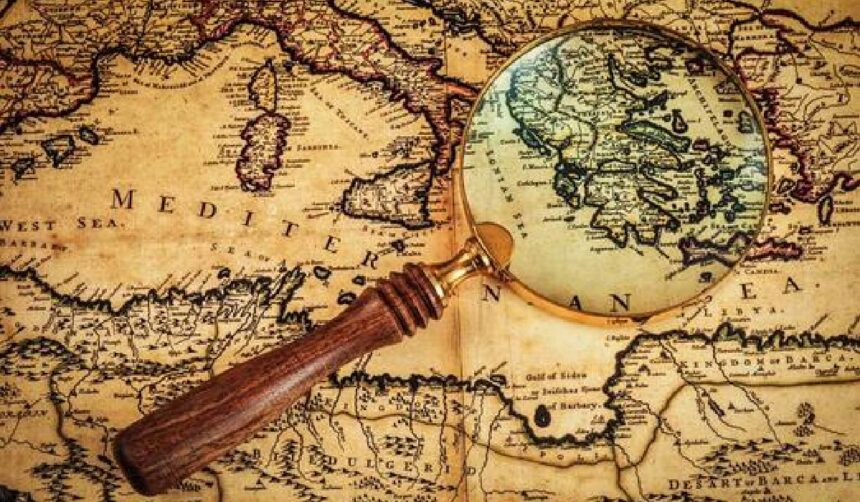
Ronenia does not appear on maps and has no official government, capital city, population data, or international recognition. It is not listed by the United Nations or any geographic authority. Rather than being a physical place, Ronenia functions as a conceptual name that creators use in fiction, art, and branding.
Writers may use Ronenia as the setting for a fantasy world. Digital artists may use it as a theme for imaginative projects. Entrepreneurs may adopt it as a brand name because it sounds distinctive and memorable. In every case, Rone nia exists as an idea rather than a geographic reality. Its power lies in symbolism and creative flexibility, not in political borders or historical documentation.
Ronenia Quick Facts Table
| Attribute | Details |
|---|---|
| Name | Ronenia |
| Type | Fictional / Conceptual |
| Real Country | No |
| Common Confusion | Romania |
| Main Themes | Creativity, identity, mythology |
| Usage | Branding, fiction, digital media |
| Pronunciation | Ro-NE-nia |
| Official Location | None |
Ronenia is best understood as a symbolic and imaginative name. It carries meaning through creative use rather than legal or geographic recognition.
Is Ronenia a Real Country?
Ronenia is not a real country in any political, historical, or geographic sense. It has no recognized borders, no national government, no constitution, and no official language. There is no population census, no diplomatic presence, and no international acknowledgment of a nation called Rone nia.
Many people assume Ronenia might be real because of its structure and sound. It resembles established European country names, and that familiarity creates confusion. Search engines sometimes suggest related terms such as Romania when users type Rone nia, which further adds to the misunderstanding.
Another reason for confusion is that fictional names often follow patterns used by real nations. When readers see a name like Rone nia in a story or online article, they may believe it refers to a lesser-known country. However, Ronenia remains a conceptual term used in creative contexts. It has no documented statehood, no historical kingdom, and no official recognition. Understanding this fact helps clear up the most common misunderstanding about Rone nia.
Ronenia vs Romania: Clearing the Confusion
Ronenia and Romania look similar, but they are completely different. The confusion comes mainly from spelling and pronunciation. Both names contain multiple syllables and a similar rhythm. Because of this, many readers misread one for the other.
Romania is a real country located in Eastern Europe. It has a well-documented history, a defined territory, a government, and a population. Its official language is Romanian, which is a Romance language with Latin roots. Romania is a member of international organizations and has established diplomatic relations worldwide.
Ronenia, on the other hand, is not a geopolitical nation. It has no physical location and no historical records. It appears only in creative, fictional, and branding contexts.
| Feature | Ronenia | Romania |
|---|---|---|
| Real Country | No | Yes |
| Location | None | Eastern Europe |
| Official Language | None | Romanian |
| History | Conceptual | Documented |
| Usage | Creative contexts | Geopolitical nation |
This comparison clearly shows that Ronenia is symbolic and imaginative, while Romania is a recognized nation with historical and political foundations.
The Meaning and Origin of Rone nia
There is no confirmed linguistic origin for Rone nia. Unlike established country names that trace back to ancient languages or tribal groups, Rone nia appears to be a coined or creative term. It may have been formed for aesthetic reasons because it sounds melodic and balanced.
The structure of Ronenia resembles Romance-style names, which may explain why people associate it with European culture. However, there is no evidence linking it directly to Latin or any documented historical language. Its resemblance to real place names is likely due to sound design rather than etymology.
Symbolically, Ronenia is often associated with joy, imagination, light, identity, and creativity. These meanings are interpretive rather than official. When creators choose the name Rone nia, they often select it because it feels warm, expressive, and culturally rich. This shows the difference between symbolic etymology, where meaning comes from feeling and context, and historical etymology, where meaning comes from documented language roots. Ronenia belongs to the first category.
Why Ronenia Feels Like a Real Place
Ronenia feels authentic because it follows familiar naming patterns. Many European countries have multi-syllable names ending in “-ia.” This structure creates a sense of legitimacy in the reader’s mind. The rhythm and phonetic flow of Ronenia make it sound geographically believable.
Humans naturally connect sounds with known patterns. When a word fits into a familiar structure, the brain treats it as something established. Rone nia benefits from this effect. It carries a cultural rhythm similar to recognized place names, which makes it seem historically grounded even though it is fictional.
This psychological familiarity explains why Ronenia often feels like a hidden European nation or ancient kingdom. Its sound alone gives it depth and realism.
The Symbolism Behind Rone nia
Ronenia symbolizes creativity and imagination. Because it has no fixed meaning, it can represent almost anything a creator wants it to express. This openness gives it strong symbolic value.
It can symbolize cultural fusion, where tradition meets modern ideas. It can represent identity formation, especially in a digital world where people create new personal and cultural narratives. Ronenia may also function as a mythic archetype, representing a lost land, a future society, or a dreamlike space beyond ordinary limits.
Fictional names often carry emotional meaning. Rone nia, through its tone and flexibility, becomes a canvas for storytelling and cultural exploration.
Ronenia in Folklore and Mythology
In creative works, Ronenia is often imagined as a hidden kingdom or mystical land. Writers may describe it as an ancient civilization with rich traditions and legendary history. Others may portray it as a metaphorical society representing harmony, transformation, or discovery.
These interpretations are imaginative applications. Rone nia does not have documented folklore, but it can be shaped to fit fantasy narratives. In novels, it might appear as a distant land filled with forests and castles. In symbolic writing, it might represent a society in balance with nature.
Its flexibility allows storytellers to build detailed worlds without being restricted by real history.
Ronenia in Digital Media and Worldbuilding
Ronenia works well in digital storytelling because it is free from real-world constraints. Fantasy authors can build entire political systems and cultures around it. Indie game developers can design maps and histories without conflicting with existing geography.
Digital artists may use Ronenia as a theme for visual projects, creating symbols, flags, and fictional architecture. Online storytelling communities also adopt fictional nation names to build immersive role-playing worlds. Rone nia fits naturally into these environments because it sounds real but remains fully adaptable.
Rone nia in Branding and Modern Business
Ronenia is attractive for branding because it is unique and memorable. It is not commonly used, which increases domain availability and originality. Businesses often look for names that are emotionally neutral yet expressive, and Rone nia meets this requirement.
Creative startups, fashion brands, wellness companies, and digital agencies can use Rone nia to suggest imagination and innovation. Its flexibility allows it to fit different industries without being restricted by geographic boundaries. This adaptability is valuable in global markets.
Cultural Identity and Rone nia as a Concept
Ronenia represents cultural imagination rather than geographic culture. It can symbolize hybrid identity in a globalized world. Many people today connect to multiple cultures and create new forms of expression. Ronenia reflects that blended identity.
Instead of being tied to one tradition, it can represent a fictional heritage shaped by creativity. This makes Rone nia a conceptual cultural space rather than a national culture.
Common Myths and Misconceptions About Ronenia
One myth is that Ronenia is a European country. It is not. There is no official state called Ronenia. Another myth is that it is simply an alternative spelling of Romania. The two names are unrelated beyond similarity in sound.
Some believe Ronenia has official traditions or a capital city. There are no verified records supporting these claims. Others assume Rone nia has ancient historical roots, but no documented evidence confirms this. These misconceptions arise from confusion and creative storytelling.
How to Pronounce Ronenia
Ronenia is pronounced Ro-NE-nia. The emphasis falls on the second syllable. The flow is smooth and melodic, which contributes to its appeal. Because it is fictional, pronunciation may vary slightly in creative works, but the most common pattern follows this structure.
Why Ronenia Is Trending Online
Ronenia is trending partly because of confusion with Romania. Curiosity drives searches as users try to clarify its meaning. At the same time, there is a growing interest in fictional naming for branding and digital projects.
Unique keywords also attract attention in search engines. Rone nia stands out because it is uncommon yet culturally expressive. In a digital-first world, original names gain traction quickly.
How to Use Ronenia Creatively
Ronenia can be used as the name of a fictional country in a novel. It can serve as a fantasy game world filled with original lore. Entrepreneurs can adopt it as a brand name to signal creativity. Artists can use it as a thematic identity for cultural projects.
Its flexibility allows endless reinterpretation. Because it carries no legal or geographic limitations, creators have full freedom in shaping its meaning.
The Future Potential of Rone nia as a Cultural Concept
Ronenia may evolve into a lifestyle aesthetic or digital identity. As fictional naming becomes more common, it could serve as an umbrella concept for creative communities.
The internet has shown that imaginative identifiers can gain cultural significance over time. Rone nia’s adaptability gives it long-term potential in storytelling and branding.
Conclusion
Ronenia is not a real country, and it is not Romania. It is a creative and symbolic term used in storytelling, digital media, and branding. It has no borders, no official government, and no historical records.
Its strength lies in imagination and identity. Rone nia represents creative freedom and cultural expression without geographic limits.
Ronenia may not exist on any map, but it exists powerfully in the imagination.