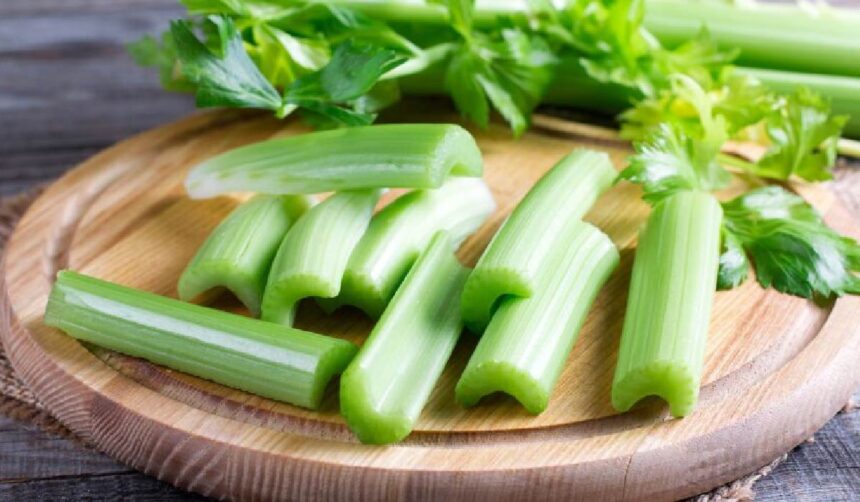
What Is Pravi Celer?
Pravi celer is a traditional celery root, also known as celeriac, scientifically classified as Apium graveolens var. rapaceum. It is widely used in Balkan cuisine and valued for its strong aroma, earthy flavor, and dense nutritional profile. Unlike common green stalk celery, pravi celer grows underground as a large, knobby root that delivers a deeper taste and cooking versatility. Pravi celer is a traditional, full-flavored celery root used in Balkan cooking for its rich taste, aroma, and nutritional value.
Introduction
Pravi celer is slowly returning to kitchens as people rediscover the value of traditional foods. In recent years, there has been a clear shift toward root vegetables and whole, natural ingredients. Many families are moving away from processed foods and returning to simple cooking methods that focus on flavor, nutrition, and seasonal produce. Pravi celer fits perfectly into this movement because it is natural, filling, and deeply connected to heritage cooking.
The rise of farm-to-table restaurants has also played a role in bringing pravi celer back into focus. Chefs are searching for ingredients with history and character rather than relying on mass-produced vegetables. In Balkan communities, pravi celer carries cultural nostalgia. It reminds people of winter soups, family gatherings, and slow-cooked meals prepared by grandparents.
Health-focused diets are another reason for its renewed popularity. As more people look for low-calorie but nutrient-rich foods, root vegetables like pravi celer stand out. It may not be trendy or flashy, but it represents something stronger: tradition, quality, and honest flavor. This guide will explain everything about pravi celer — its history, nutrition, cooking methods, and cultural importance.
The Meaning Behind the Name “Pravi Celer”
The word “pravi” in South Slavic languages means real, true, or authentic. When combined with “celer,” which means celery, the phrase carries a deeper meaning than a simple vegetable name. It signals quality and originality. In many Balkan households, calling it pravi celer is a way of distinguishing the traditional root celery from the milder supermarket stalk celery.
For older generations, this word reflects respect for heritage cooking. It suggests that the ingredient is genuine and not altered by commercial farming practices. The term holds cultural weight because it represents authenticity in both taste and tradition. In many villages, families continue to grow pravi celer in small gardens, passing down seeds and techniques through generations. The name itself becomes a symbol of connection to land, family, and history.
Botanical Background and Origin of Pravi Celer
Pravi celer belongs to the Apiaceae family, which includes parsley, carrots, and fennel. Its scientific name is Apium graveolens var. rapaceum. It is a biennial plant, meaning it completes its life cycle over two years. During the first year, it develops a thick edible root and leafy tops. In the second year, it produces flowers and seeds.
The plant originates from the Mediterranean region, where it was first cultivated for medicinal purposes thousands of years ago. Over time, farmers selected varieties with larger roots and improved flavor, leading to the celeriac form we recognize today. As trade expanded, the vegetable spread across Europe and adapted well to Balkan climates.
Unlike stalk celery, which is grown for its crunchy green stems, pravi celer is cultivated mainly for its bulbous root. Harvesting usually takes place in autumn, when the root has reached full size and flavor. This seasonal harvesting connects it closely to traditional winter cooking across the Balkans.
How Pravi Celer Is Different from Regular Celery
Pravi celer differs clearly from regular celery in structure, texture, and flavor. While common celery is grown for its long green stalks, pravi celer develops underground as a round, rough-skinned root. The inside of the root is pale and firm, with a dense but smooth texture once cooked.
Flavor is another important difference. Stalk celery tastes fresh and slightly sharp, often used raw for crunch. Praviceler has a deeper, earthier taste with mild sweetness and subtle nutty notes. Its aroma is stronger and more complex, especially when simmered slowly in soups.
In terms of nutrition, both forms are healthy, but the root contains more fiber and slightly higher concentrations of certain minerals like potassium and phosphorus. Storage life is also different. Stalk celery wilts quickly, while pravi celer can last for weeks in cool storage. Cooking versatility further separates the two, as the root can be mashed, roasted, blended, pickled, or grated raw into salads.
Nutritional Profile of Pravi Celer
Pravi celer is a low-calorie vegetable composed of about 85 to 90 percent water, making it both hydrating and light. A 100-gram serving provides roughly 40 to 45 calories, which makes it suitable for balanced diets. Despite its low calorie count, it delivers essential nutrients that support overall health.
It is especially rich in vitamin K, which plays a key role in blood clotting and bone health. It also provides vitamin C, which supports immune function and skin health. Potassium in praviceler helps regulate fluid balance and blood pressure, while phosphorus supports strong bones and energy metabolism. The vegetable also contains small amounts of beta-carotene, which the body converts into vitamin A.
Pravi celer includes beneficial antioxidants such as apigenin and luteolin. These plant compounds help reduce oxidative stress and support long-term health. The fiber content contributes to digestive balance and helps maintain stable blood sugar levels. Together, these nutrients make pravi celer both nourishing and practical for everyday meals.
Health Benefits of Pravi Celer
Pravi celer supports digestive health due to its natural fiber content. Fiber encourages regular bowel movements and supports beneficial gut bacteria. Because the vegetable also contains high water content, it helps soften digestion and prevent discomfort. Including it regularly in meals can gently support gut balance without being heavy.
For heart health, pravi celer provides potassium and natural plant compounds known as phthalides. These compounds may help relax blood vessel walls and improve circulation. Combined with a balanced diet, it contributes to maintaining stable blood pressure levels.
The antioxidants in pravi celer offer anti-inflammatory benefits. Compounds like apigenin and luteolin may help reduce cellular stress over time. While it is not a medical treatment, regular consumption supports overall wellness.
Its hydrating properties help support kidney function by encouraging fluid balance. Due to its low calorie density and high satiety value, praviceler is also useful for weight management. It allows larger portion sizes without excessive calories, helping people feel full while maintaining healthy eating patterns.
Culinary Uses of Pravi Celer in Traditional Balkan Cooking
In traditional Balkan cooking, pravi celer plays a central role in soups such as čorba. A chunk of the root is often added to simmering broth alongside carrots and onions. As it cooks slowly, it releases a warm, earthy aroma that defines the base flavor of many family recipes.
It is also essential in broths and gulaš, where diced root pieces are sautéed at the beginning of cooking to build depth. During winter months, families grate the raw root into salads with lemon and oil, offering freshness when few vegetables are available. Pickled preparations are another seasonal tradition, preserving slices of pravi celer in brine for use throughout cold months.
Even the leaves and stalks are not wasted. They are often dried and used as seasoning. In many households, the smell of simmering praviceler signals comfort and family connection.
How to Prepare Pravi Celer at Home
Preparing pravi celer at home is simple once you understand its structure. The outer skin is thick and rough, so it requires generous peeling with a sharp knife. After cutting, the flesh may turn slightly brown due to oxidation, but placing pieces in lemon water prevents discoloration.
The root can be cut into cubes for roasting with olive oil and salt. It can be boiled and mashed, often mixed with potatoes for a lighter texture. In soups, it blends smoothly into creamy purees. Raw preparations include grating it finely and mixing it with lemon juice and a mild dressing. It pairs well with garlic, thyme, parsley, butter, and olive oil. Proper storage involves keeping it in the refrigerator in a cool, dry space, where it can remain fresh for several weeks.
Modern Uses of Pravi Celer in Contemporary Cuisine
Modern chefs have rediscovered pravi celer as part of plant-based and sustainable cooking trends. It appears in vegan dishes as a meat alternative base due to its hearty texture. Low-carb and keto diets use mashed celery root instead of potatoes.
In fine dining, celery root puree has become popular for its smooth consistency and subtle flavor. Roasted celery root “steaks” are served in farm-to-table restaurants. Fermentation techniques also use the root to create probiotic-rich side dishes. These modern adaptations show how an old vegetable can adapt to new culinary movements without losing its identity.
How to Buy and Store PraviCeler Properly
When buying pravi celer, choose a firm root with no soft spots. The surface should feel solid and heavy for its size. If leaves are attached, they should appear fresh and green. Avoid roots with excessive cracks or mold.
Store the root in the refrigerator, ideally in the vegetable drawer. Wrapped loosely, it can last several weeks. For longer storage, it can be peeled, cut, and frozen. Farmers’ markets often offer fresher and more flavorful roots than large supermarkets, especially during autumn harvest season.
Common Mistakes People Make with Pravi Celer
One common mistake is under-peeling the tough outer layer, which can leave a fibrous texture in dishes. Overcooking is another issue, as it may cause loss of flavor and nutrients. Some expect a strong taste similar to raw celery and feel disappointed by its subtlety.
Ignoring the leaves is also a mistake, as they provide seasoning value. Not adding enough fat, such as butter or olive oil, can make dishes taste flat. Combining praviceler with complementary ingredients enhances its natural character and prevents waste.
Cultural Importance of PraviCeler in Balkan Households
Pravi celer holds emotional significance in Balkan homes. It is closely linked to winter cooking traditions, where soups and stews provided warmth during cold months. Many people associate its aroma with childhood memories and family gatherings.
Village gardens often included rows of celery root, harvested in autumn and stored for winter use. Seed saving practices ensured continuity from one generation to another. The vegetable symbolizes authenticity, resilience, and connection to the land.
Is Pravi Celer a Superfood? Myths and Facts
Pravi celer is healthy, but it should not be viewed as a miracle food. It provides valuable nutrients and antioxidants, yet it works best as part of a balanced diet. Claims of extreme detox effects are often exaggerated.
Scientific research supports its fiber content and mineral value, while traditional beliefs highlight digestive and cleansing benefits. It is safe for daily consumption for most people, though individuals with celery allergies or those taking blood-thinning medication should consult a healthcare professional.
Why Pravi Celer Is Making a Comeback in 2026
The return of pravi celer reflects broader food trends. The slow food movement encourages seasonal ingredients and traditional preparation methods. Root vegetables are gaining popularity due to sustainability and lower environmental impact.
Health awareness and clean eating trends also favor natural, minimally processed foods. Local farming initiatives further support rediscovering forgotten vegetables. Praviceler stands as an example of how heritage ingredients can regain importance in modern kitchens.
Final Thoughts
Pravi celer represents more than a vegetable. It connects cultural heritage with modern nutrition. Its flavor depth enhances simple dishes, while its health benefits support balanced eating. Sustainable farming and seasonal cooking practices further strengthen its value.
Though not flashy or trendy, PraviCeler remains timeless. By returning to ingredients rooted in tradition, home cooks can rediscover honest flavor and meaningful meals. Trying praviceler in everyday cooking is a simple step toward embracing both history and health in the kitchen.