Introduction
Piragnia is a word that often creates confusion the moment people see it. Many readers wonder whether piragnia is a real fish, a newly discovered species, or simply a typo of something else. The term appears frequently in online searches, especially among people who are trying to learn about sharp-toothed freshwater fish from South America. Because the spelling looks similar to “piranha,” curiosity naturally grows, and that curiosity drives thousands of searches.
In reality, piragnia is not widely recognized in scientific records. It commonly appears as a misspelling or alternate version of the word “piranha.” The rise of digital content, social media posts, and quick online sharing has helped this variation spread. People searching for piragnia are often trying to understand whether it refers to a dangerous fish found in rivers like the Amazon or Orinoco. They may have seen the term in a comment, blog, or video and want clarification.
This article explains the true meaning of piragnia in detail. It covers the origin of the word, scientific clarification, habitat, behavior, myths versus facts, ecological importance, conservation challenges, and whether these fish are dangerous to humans. By the end, you will clearly understand what piragnia really refers to and why the confusion continues online.
What Is Piragnia?
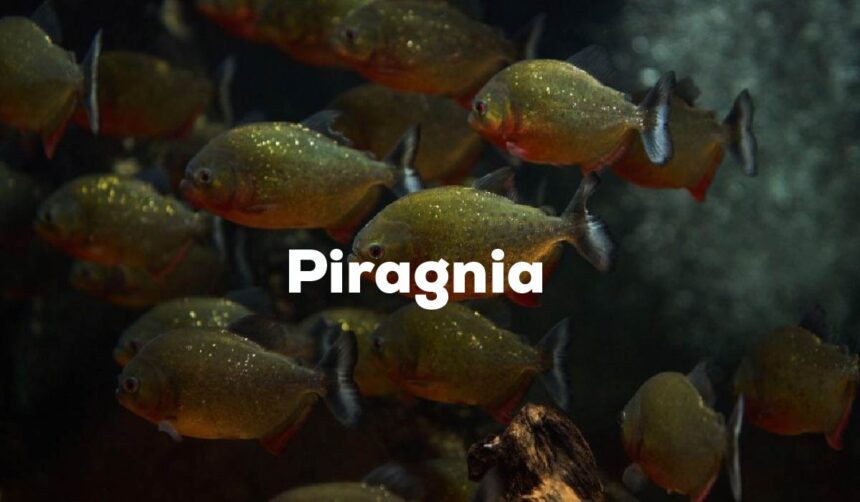
Piragnia is not a scientifically recognized fish species. The term is commonly considered a variation or misspelling of “piranha,” a freshwater fish found in South America known for its sharp teeth and strong jaws. There is no official biological classification under the name piragnia in scientific databases or zoological records.
The confusion usually comes from language differences and spelling variations. In some regions, pronunciation shifts slightly, and over time those changes can appear in written form. When people hear the word “piranha” spoken quickly, they may write it incorrectly as piragnia. Once such spellings enter blogs, social posts, or informal websites, they can spread widely.
Internet search behavior also plays a role. Search engines often index common misspellings because many users type words incorrectly. As more people search for piragnia, the term gains visibility online. This creates the impression that it may be a separate species, even though it is not. The confusion persists because the spelling looks unique and unfamiliar, yet it points back to the well-known piranha.
The Origin and Meaning of the Word “Piragnia”
The word piragnia likely developed from a phonetic shift in the pronunciation of “piranha.” The original word “piranha” comes from indigenous South American languages, particularly from the Tupi language family. In those languages, the term roughly means “tooth fish.” Because the original pronunciation includes a soft “nh” sound, non-native speakers sometimes mishear or misspell it. Over time, slight changes in pronunciation can result in altered spellings such as piragnia.
In many cases, people who are unfamiliar with Portuguese or indigenous pronunciations attempt to spell the word based on how it sounds to them. This is common with foreign terms that enter global media. As a result, piragnia appears as a natural spelling variation rather than a deliberate new name.
Movies and horror stories have made piranhas famous worldwide. Films that portray them as aggressive predators increased public awareness of the fish but also spread simplified or exaggerated information. As these stories circulated online, users discussed the fish in comments and forums, sometimes typing the name incorrectly. Social media platforms further amplified the variation.
Search engine behavior contributes to this trend. When enough users type a word incorrectly, algorithms begin to recognize it as a searchable term. Auto-correct tools do not always fix uncommon variations, and word-of-mouth sharing spreads the spelling further. Over time, piragnia becomes a trending keyword even though it does not represent a separate species.
Piranha vs Piragnia – Are They the Same?
Piragnia is generally considered an alternative spelling or informal version of the word piranha. Piranha, on the other hand, is the scientifically recognized name for a group of freshwater fish in South America. There is no official fish species listed under the name piragnia in zoological classification systems.
Piranhas belong to the family Serrasalmidae. Within this family, there are several genera, including Pygocentrus and Serrasalmus. These genera contain the species that people commonly refer to when discussing piranhas. Scientists use Latin names to clearly identify species, and none of those names include the term piragnia.
The misunderstanding happens because piragnia looks like a variation of the original spelling. However, from a biological standpoint, there is only one recognized group: piranhas. Therefore, piragnia does not represent a different fish. It simply reflects spelling confusion that became common online. Keeping this distinction clear helps avoid spreading inaccurate information about aquatic species.
Scientific Classification and Types of Piranhas
Piranhas belong to the order Characiformes and the family Serrasalmidae. This family includes both piranhas and related fish species such as pacus. They are freshwater fish native to South America and share certain physical and behavioral traits, including strong jaws and sharp teeth.
One of the most well-known species is the red-bellied piranha (Pygocentrus nattereri). It is recognized for its reddish underbelly and schooling behavior. The black piranha (Serrasalmus rhombeus) is another species known for its powerful bite. The wimple piranha is smaller and less commonly discussed but still part of the same family.
Not all piranhas are strictly carnivorous. Some species eat seeds, fruits, and plant material, especially during certain seasons. Others are opportunistic carnivores that consume smaller fish and insects. This diversity shows that piranhas are more complex than their aggressive reputation suggests. Understanding classification helps highlight their ecological variety rather than focusing only on sensational descriptions.
Natural Habitat of Piragnia (Piranhas)
Piranhas live primarily in the freshwater systems of South America. Their range includes the Amazon Basin, the Orinoco River, and parts of the Paraguay River. These regions provide warm, nutrient-rich waters that support diverse aquatic life. Flooded forests, slow-moving streams, and shallow riverbanks create ideal feeding and breeding grounds.
Piranhas prefer warm freshwater environments with abundant vegetation. Flooded forests during the rainy season provide shelter and food sources. The presence of submerged roots and plants offers protection from predators and helps them hunt efficiently.
During the rainy season, rivers expand into floodplains. Piranhas move into these newly flooded areas to feed on insects, fruits, and smaller fish. As water levels drop in the dry season, they return to deeper channels. This seasonal migration supports their survival and shapes their feeding patterns.
These habitats are crucial for maintaining healthy piranha populations. Environmental stability in these river systems directly affects their reproduction and growth.
Behavior and Feeding Patterns
Piranhas are opportunistic feeders. They consume small fish, insects, seeds, fruits, and plant matter. They also scavenge on dead animals when available. Contrary to popular belief, they do not constantly hunt large prey. Their feeding habits depend on availability rather than aggression.
Piranhas often swim in schools. This grouping provides protection from predators such as larger fish, birds, and river mammals. Schooling also increases feeding efficiency when resources are abundant.
Aggressive behavior usually appears during food scarcity, stress, or when they feel threatened. In drought conditions, when water levels drop and food becomes limited, competition increases. However, outside of such circumstances, piranhas are cautious fish that avoid unnecessary confrontation.
Understanding these patterns helps separate reality from exaggerated stories.
Myths and Media Misconceptions About Piragnia
Horror films have portrayed piranhas as relentless predators that attack anything entering the water. These dramatized scenes shaped public opinion for decades. However, such portrayals are fictional and exaggerated for entertainment.
Human attacks are rare. Most incidents occur when fish are provoked or when water levels are extremely low. In general, piranhas do not target humans as prey.
Researchers observe that piranhas are naturally shy. They avoid large animals and prefer smaller food sources. While they possess sharp teeth and strong jaws, these features are used mainly for feeding on manageable prey rather than attacking humans.
Separating myth from fact provides a clearer understanding of their true nature.
Physical Characteristics of Piragnia (Piranhas)
Most piranhas measure between 6 and 15 inches in length. They have laterally compressed bodies, often silver or gray, with some species showing a red or orange belly.
Their most distinctive feature is their triangular, razor-sharp teeth arranged in a single row. These teeth interlock precisely, allowing powerful bites. Despite this strength, their feeding behavior is usually controlled and purposeful rather than random.
Their physical design supports survival in competitive freshwater ecosystems.
Ecological Role in the Amazon Ecosystem
Piranhas play an important ecological role. As scavengers, they help clean rivers by consuming dead animals. This prevents decay from spreading disease and supports nutrient recycling.
They also control fish populations, preventing certain species from becoming too dominant. By balancing prey populations, they contribute to biodiversity. Their presence supports the health of river ecosystems in the Amazon and other South American waterways.
Without piranhas, ecological balance could shift significantly. Their role demonstrates how even misunderstood species are essential in nature.
Are Piragnia Dangerous to Humans?
Piranhas are rarely dangerous to humans. Most reported bites occur during fishing activities or in areas where food is scarce. Swimmers in normal river conditions are generally not at risk.
Local communities often share rivers with piranhas safely. Fishermen handle them carefully due to their sharp teeth, but they do not describe them as constant threats. Basic safety, such as avoiding splashing near feeding zones, reduces risk further.
Understanding context is important. Sensational stories exaggerate danger, but scientific observation shows that piranhas prefer to avoid humans.
Conservation Status and Environmental Threats
Deforestation
Amazon habitat loss reduces breeding areas and food sources for piranhas. Forest clearing affects river ecosystems directly.
Pollution
Industrial waste and agricultural runoff contaminate freshwater systems, impacting fish health.
Overfishing
In some regions, excessive fishing pressures local populations.
Climate Change Effects
Changes in rainfall patterns alter river levels, affecting migration and reproduction cycles.
Sustainable fishery management and habitat protection are essential for maintaining healthy populations.
Why the Word “Piragnia” Continues to Trend Online
Curiosity drives many searches. People encounter the unusual spelling and want clarification. Because search engines recognize repeated queries, piragnia remains visible in results. Social media algorithms also promote trending terms, even when they are misspellings.
SEO keyword variations allow content creators to target alternate spellings. As long as users continue typing piragnia instead of piranha, the term will remain relevant online.
Conclusion
Piragnia is not a separate fish species but a variation of the word piranha. Scientific records confirm only piranhas within the Serrasalmidae family. Despite dramatic portrayals, piranhas are not mindless killers. They are adaptive, social freshwater fish that play an important ecological role in South American rivers.
By understanding the origin of the term piragnia and separating myths from reality, we gain a clearer picture of these fascinating fish. Accurate information helps replace fear with knowledge and highlights the importance of protecting the ecosystems where they live.