Introduction
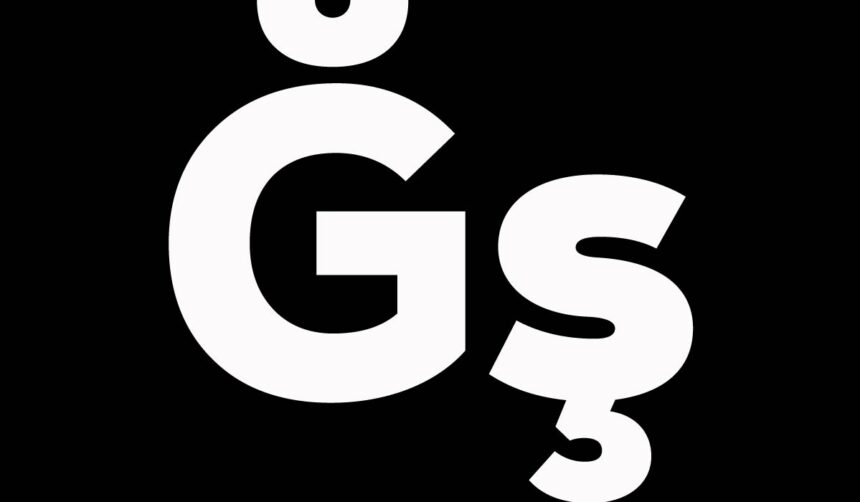
“Ğş” looks strange at first glance. Many people see Ğş online and immediately wonder what it means. Is Ğş a real word? Is it Turkish? Is it some kind of secret code? Or is it an SEO experiment designed to test search engines? These questions explain why more users are typing this unusual combination into Google in 2026. The rise in global content consumption, language learning apps, and Turkish keyboard usage has made special characters more visible than ever before. When people switch keyboard settings, copy text from websites, or explore foreign languages, they often encounter letters they do not recognize. Ğş stands out because it combines two distinctive Turkish characters that rarely appear in English environments.
Search engines also index special characters more accurately today, which increases curiosity-driven searches. When users see something unfamiliar, they search it. That simple behavior drives visibility. In this article, you will learn the clear meaning of Ğş, understand the Turkish alphabet behind it, discover how the letters are pronounced, explore the digital and SEO angle, learn how to type them on any device, and understand their cultural importance. By the end, you will see that Ğş is not mysterious at all. It is a small doorway into language, technology, and modern search behavior.
What Is Ğş?
Ğş is not a real Turkish word. It is simply a combination of two Turkish letters: Ğ and Ş. It does not appear in dictionaries and is not used in normal Turkish conversation or writing.
When people search for the meaning of Ğş, they are usually trying to understand these two letters rather than a vocabulary term. The combination itself has no standalone definition. It does not function as a noun, verb, or expression in Turkish. Instead, it represents two separate characters placed side by side.
Because both Ğ and Ş look unfamiliar to English readers, many assume the pairing must have a hidden meaning. In reality, it appears mostly online due to typing behavior, keyboard settings, copy-paste errors, or curiosity about special Turkish characters. This is why “What is Ğş?” and “Is Ğş a real word?” are common searches. The answer is simple and clear: Ğş has no independent meaning. To truly understand it, we must explore the Turkish alphabet and how these letters function within the language.
The Turkish Alphabet Behind Ğş
The Turkish alphabet consists of 29 letters. It includes 21 consonants and 8 vowels. This alphabet was officially adopted in 1928 during the Turkish Alphabet Reform, replacing the earlier Ottoman script. The reform aimed to modernize the language and create a writing system that closely matched pronunciation. Unlike English, Turkish is highly phonetic. Words are generally pronounced exactly as they are written, which makes reading and spelling more consistent.
The Turkish alphabet does not include the letters Q, W, and X. Instead, it contains several special letters that represent sounds unique to Turkish. These include Ç, Ğ, I, İ, Ö, Ş, and Ü. These are not decorative accents. They are official letters with distinct sounds and grammatical value. Modified letters exist because Turkish needed precise symbols to reflect its sound system. Rather than using letter combinations like “sh” or “ch,” Turkish uses single letters such as Ş and Ç.
This structure makes Turkish spelling more predictable than English spelling, where silent letters and irregular pronunciations are common. When someone sees Ğş, they are looking at part of a carefully designed alphabet system that prioritizes clarity and accuracy. Understanding this foundation helps remove confusion around the unusual pairing.
The Letter Ğ Explained – Yumuşak Ge in Detail
The letter Ğ is called “yumuşak ge,” which means “soft g.” It is one of the most unique letters in the Turkish alphabet. Unlike the hard “g” sound in English words like “go” or “game,” Ğ does not produce a strong consonant sound. Instead, it modifies the vowel before it.
One important rule is that Ğ never appears at the beginning of a word. It always follows a vowel. In many cases, it lengthens that vowel. For example, the word “dağ,” meaning mountain, sounds like “daa” with a slightly extended vowel. In “soğuk,” meaning cold, Ğ creates a smooth transition between vowels. In “eğitim,” meaning education, it forms a gentle glide that connects sounds naturally.
Learners often struggle with Ğ because they expect it to sound like a normal “g.” In reality, it works quietly. It shapes pronunciation rather than announcing itself. Sometimes it feels almost silent, but it still affects rhythm and flow. Understanding this subtle role is essential for correct Turkish pronunciation. Ğ teaches learners that language is not only about strong sounds, but also about timing and smooth transitions.
The Letter Ş Explained – The Clear “Sh” Sound
The letter Ş represents the /ʃ/ sound, which is the same as the “sh” sound in English words like “ship” or “shoe.” Unlike Ğ, this letter is straightforward and easy to pronounce. It always produces a clear and consistent sound.
Ş appears in many common Turkish words such as “şeker” (sugar), “şehir” (city), “şarkı” (song), and “güneş” (sun). It can appear at the beginning, middle, or end of a word. Its pronunciation never changes.
For English speakers, Ş is easier to learn because the sound already exists in English. However, it is important to understand that Ş is not simply an “S with decoration.” The small cedilla under the letter changes the sound completely. In Turkish, S makes a pure “s” sound, while Ş makes “sh.” This distinction is meaningful. Using the wrong letter can change pronunciation and clarity. Ş demonstrates how Turkish assigns one letter to one sound, reinforcing its phonetic consistency.
Why Ğş Does Not Form a Real Turkish Word
Even though Ğ and Ş are real letters, their combination does not form a real word. Turkish follows specific phonotactic rules that determine how sounds can be arranged. Words typically contain vowels between consonants, and vowel harmony plays a key role in word formation.
Ğ must always follow a vowel because its purpose is to modify that vowel. Placing Ğ directly before Ş without a vowel between them breaks the natural structure of Turkish words. The pairing lacks the vowel-consonant balance required for pronunciation.
This explains why Ğş fails structurally. It is not rejected because of meaning; it is rejected because of form. Letters are building blocks of language, but not every combination of letters creates a valid word. Understanding this difference between letters and words helps clarify why Ğş has no dictionary meaning.
Why Ğş Appears So Often Online
Ğş appears online for several practical reasons. One common cause is keyboard testing. On a Turkish keyboard layout, these letters are positioned in accessible areas, and users experimenting with settings may type them together. Accidental typing also contributes to visibility.
Copy-paste glitches sometimes create unusual character pairings, especially when moving text between systems with different language settings. Mobile devices allow long-press typing, which can lead to unintentional insertion of special characters. Language switching between keyboards can also result in unexpected output.
Unicode support makes it possible for search engines to index these letters accurately. As a result, curiosity-driven searches increase visibility. When users encounter something unfamiliar, they search for it. That curiosity creates traffic and discussion, even if the term has no vocabulary meaning.
Ğş and Character Encoding (UTF-8 Explained Simply)
Character encoding determines how text appears on your screen. Modern systems use Unicode, which allows computers to display characters from many languages correctly. UTF-8 is the most common encoding format today. It supports letters like Ğ and Ş without problems.
Older systems that do not use proper encoding may display broken symbols instead of special characters. This can make text look confusing or incorrect. When encoding is wrong, letters may appear as question marks or strange combinations.
Proper UTF-8 implementation ensures that Turkish letters display correctly on websites and devices. For digital publishing, correct encoding is essential. It preserves spelling accuracy and prevents miscommunication. Understanding encoding helps explain why unusual combinations sometimes appear online.
How to Type Ğ and Ş on Any Device (Practical Guide)
Typing Ğ and Ş is simple once you know the method. On Windows, users can add the Turkish keyboard layout through language settings. Once activated, dedicated keys allow direct typing. Alt codes also work for manual entry.
On Mac computers, pressing and holding the letter “G” or “S” opens a menu where you can select Ğ or Ş. Adding the Turkish keyboard layout makes typing even easier.
On mobile devices, long-pressing the letters reveals special character options. Users can also switch to a Turkish keyboard layout for faster access. Online virtual keyboards provide another option, allowing users to click and copy characters directly.
Knowing how to type these letters ensures accurate communication and proper spelling in both casual and professional contexts.
Ğş in SEO – Why This Keyword Is Ranking
From an SEO perspective, Ğş is interesting because it is a low-competition keyword. Very few websites target it directly. This makes it easier to rank compared to high-volume keywords.
Curiosity search behavior plays a major role. Users search unfamiliar terms simply to understand them. Search engines index rare character combinations effectively due to improved Unicode support.
Content creators sometimes use unusual keywords to test indexing speed and search engine behavior. While ranking for Ğş may be easy, it does not guarantee authority in competitive topics. However, it demonstrates how long-tail curiosity keywords can generate traffic.
Unique character-based queries show that SEO is not only about popular words but also about understanding user behavior and search patterns.
Common Mistakes People Make with Ğ and Ş
One common mistake is replacing Ğ with G or Ş with S. These letters are not optional accents. They are separate characters with distinct pronunciation. Ignoring diacritics changes spelling and clarity.
Another mistake is pronouncing Ğ like a hard English “g.” This creates unnatural speech. Encoding errors in websites can also lead to broken characters, which reduces professionalism.
Some writers overuse rare terms for ranking purposes, which harms readability. Accuracy and respect for the language are more important than keyword repetition.
Cultural and Linguistic Importance of Letters Like Ğ and Ş
The Turkish Alphabet Reform of 1928 modernized the language and strengthened literacy. Letters like Ğ and Ş were carefully included to represent Turkish sounds accurately. They are symbols of linguistic precision and national identity.
These letters reflect the balance between modernization and cultural preservation. Correct spelling shows respect for the language and its history. They also support literacy by ensuring consistency between spoken and written forms.
Understanding these letters deepens appreciation for Turkish language structure and cultural continuity.
The Future of Rare Keywords Like Ğş
In 2026, global search trends continue to expand. More users explore foreign languages and special characters. AI-driven search systems analyze rare queries more effectively than ever before.
Micro-keywords and curiosity searches will likely continue growing. Unicode-based indexing improvements allow accurate display of global characters. This creates opportunities for educational and linguistic content around unusual terms.
Ğş represents a broader trend of digital curiosity and language discovery. Rare keywords may not hold dictionary meaning, but they reveal how users interact with global content.
Conclusion
Ğş is not a real word. It is simply a pairing of two Turkish letters, Ğ and Ş. Yet this small combination opens a window into language structure, pronunciation rules, digital behavior, and SEO curiosity.
Understanding Ğ shows how subtle sounds shape Turkish speech. Learning Ş demonstrates phonetic clarity. Exploring encoding explains why special characters sometimes appear unexpectedly online. Examining SEO trends reveals how curiosity drives search behavior.
In the end, Ğş teaches that even simple letter combinations can spark questions and learning. Language and technology intersect in surprising ways. What first appears mysterious becomes clear through careful explanation.