Introduction
Insoya is rapidly emerging as a modern concept in the world of plant-based nutrition, and many people are asking important questions about it. Is Insoya a specific product, a brand name, a soy-processing technology, or a new plant-based protein innovation? The growing curiosity around Insoya reflects larger global shifts toward sustainable eating, clean-label foods, and functional nutrition. As consumers become more aware of what they eat and how it affects both their health and the environment, innovative protein solutions like Insoya are gaining serious attention.
The rise of the plant-based movement, the demand for sustainable protein sources, and the rapid growth of vegan and vegetarian lifestyles have created the perfect environment for Insoya to gain visibility. At the same time, food manufacturers are searching for ingredients that are more digestible, more adaptable, and better suited for modern food production. Insoya fits naturally into this demand because it represents an advanced and refined approach to soy utilization.
This article explores everything you need to know about Insoya, including its meaning, production process, nutritional profile, health benefits, industrial applications, sustainability impact, and long-term future potential in the global food system.
What Is Insoya?
Insoya is a modern category of enhanced soy-based ingredients designed to improve digestibility, functionality, and nutritional performance compared to traditional soy. It is not a single product but a broad concept that includes refined soy protein isolates, soy concentrates, fermented soy derivatives, and functional soy blends developed for advanced food and industrial applications. In simple terms, Insoya represents the evolution of soy into a more optimized, versatile, and high-performing plant protein.
Unlike raw soybeans or minimally processed soy foods, Insoya involves advanced soy processing techniques that enhance nutrient absorption, reduce anti-nutrients, and improve texture and usability. This category may include soy protein isolate production methods that create highly concentrated protein ingredients, as well as fermentation processes that improve bioavailability and digestive comfort.
Insoya differs from traditional soy because it focuses not only on nutrition but also on functional optimization, meaning it is engineered to perform better in plant-based meats, beverages, supplements, and even non-food industrial applications. As interest in plant protein innovation continues to grow, Insoya’s meaning is increasingly associated with sustainable, efficient, and scientifically enhanced soy protein solutions.
The History of Soy and the Evolution Toward Insoya
Soybeans have been used for thousands of years, particularly in East Asian cultures, where foods like tofu, tempeh, miso, and soy milk became dietary staples. Over time, soy expanded globally due to its high protein content and agricultural efficiency, eventually becoming one of the most widely cultivated crops in the world. Soybeans gained recognition as a valuable plant-based protein source because they contain all essential amino acids, making them comparable to animal protein in many nutritional aspects.
Despite these strengths, conventional soy also presented limitations that influenced its evolution. Traditional soy products sometimes have a strong flavor that not all consumers enjoy, and some individuals experience digestive concerns related to anti-nutrients like phytates and lectins. Additionally, basic soy forms lacked flexibility for large-scale industrial food innovation.
As food science and biotechnology advanced, researchers began refining soy to improve its functionality, digestibility, and application range. These developments led to enhanced soy processing methods and ultimately to the emergence of Insoya, which reflects a new stage in soy’s transformation from traditional crop to high-performance functional plant protein.
Understanding Soy as the Scientific Foundation of Insoya
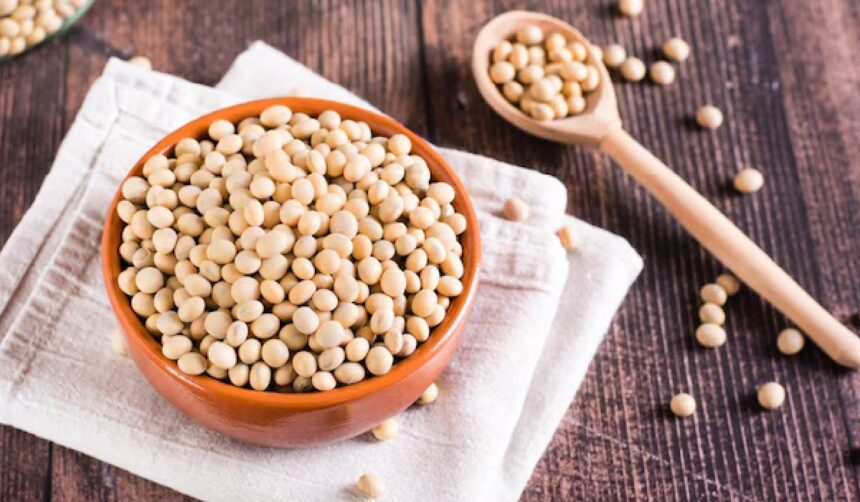
The scientific name of the soybean is Glycine max, and it is widely recognized for its strong nutritional profile. Soybeans are considered a complete plant protein because they contain all nine essential amino acids that the human body cannot produce on its own. In addition to protein, soybeans provide fiber, minerals such as iron and magnesium, and beneficial plant compounds that support overall health. Compared to many other plant proteins, soy offers a balanced amino acid profile, which is why it has become central to vegetarian and vegan diets worldwide.
However, soybeans also contain natural anti-nutrients such as phytates and lectins, which can interfere with mineral absorption or cause digestive discomfort in some individuals. Traditional preparation methods like soaking and fermentation were historically used to reduce these compounds. Modern innovation goes even further by using advanced soy processing to refine and optimize the protein structure.
Insoya builds on the scientific foundation of Glycine max by enhancing digestibility, improving bioavailability, and increasing usability in food manufacturing. By modifying soy’s natural properties through controlled processing, Insoya transforms an already valuable crop into a more adaptable and consumer-friendly functional plant protein.
How Insoya Is Produced – Step-by-Step Process
The production of Insoya begins with sustainable soybean cultivation, where farmers increasingly focus on responsible land management, non-GMO trends, and organic sourcing practices. Once harvested, soybeans undergo cleaning to remove impurities, followed by dehulling and grinding to prepare the raw material for further processing. This primary stage ensures that the soy is ready for protein extraction and advanced refinement.
During protein extraction, soybeans are processed into soy flour, soy concentrate, or soy isolate, depending on the intended application. Soy protein isolate production is particularly important in creating high-protein ingredients used in supplements and plant-based foods. After extraction, advanced soy processing techniques are applied, which may include fermentation methods, enzymatic modification, and functional engineering.
These steps help reduce anti-nutrients, improve solubility, enhance emulsification, and strengthen texture. Nutrient fortification can also be introduced to increase micronutrient content, making the final product more nutritionally complete. Once optimized, Insoya is integrated into food products, protein powders, dairy alternatives, plant-based meats, and even certain industrial materials. This structured approach transforms soy into a highly functional plant protein suitable for diverse modern uses.
Key Features That Make In soya Different from Traditional Soy
One of the most important features of Insoya is enhanced digestibility, achieved by reducing anti-nutrients and utilizing fermentation techniques that make the protein easier on the stomach. Improved bioavailability is another defining factor, meaning that nutrients in Insoya can be absorbed and utilized more efficiently by the body. Compared to traditional soy, Insoya often has a neutral taste profile, making it easier to incorporate into recipes without overpowering flavor.
Functional stability is another advantage, as Insoya is engineered to offer improved emulsification, stronger binding properties, and better shelf stability in processed foods. These characteristics make it highly valuable for plant-based meat production and beverage formulation. Industrial versatility further distinguishes Insoya from conventional soy because it can be adapted for multi-sector applications beyond traditional cooking. These combined features position Insoya as a modern upgrade rather than a simple variation of regular soy.
Nutritional Profile of Insoya
Insoya maintains the complete amino acid profile of soy while often enhancing protein concentration through advanced processing. Compared to animal protein, Insoya provides high-quality protein without cholesterol and with significantly lower saturated fat content. This makes it appealing for individuals seeking heart-friendly protein alternatives. Compared to traditional soy, refined Insoya forms may offer improved digestibility and optimized nutrient absorption.
The fat composition of Insoya remains primarily unsaturated, supporting cardiovascular health when consumed as part of a balanced diet. Some Insoya products may be fortified with micronutrients such as iron, vitamin B12, or plant-based omega-3 fatty acids, making them especially beneficial for those following vegan diets. Fiber content may also be retained or adjusted depending on the product form, contributing to digestive support. Overall, the nutritional profile of Insoya reflects a combination of plant-based protein strength and modern functional refinement.
Health Benefits of Insoya
Insoya supports muscle development by providing essential amino acids necessary for protein synthesis and recovery. Athletes and active individuals often rely on soy-based proteins because they help maintain lean muscle mass without animal-derived ingredients. In terms of weight management, Insoya-based foods can promote satiety, helping individuals feel full longer and potentially reducing unnecessary calorie intake.
Heart health benefits are also associated with soy-derived proteins, particularly due to their low saturated fat content and potential support for healthy LDL cholesterol levels. For those following plant-based diets, Insoya offers a reliable protein solution that aligns with vegan nutrition goals. Fermented variants of Insoya may also contribute to improved gut comfort, as fermentation can reduce compounds that cause digestive discomfort. While no single food guarantees health outcomes, Insoya represents a nutritionally balanced and practical protein option within a well-rounded diet.
In soya vs Traditional Soy – Complete Comparison
When comparing Insoya vs soy, the difference between Insoya and soy primarily lies in processing and functionality. Traditional soy often undergoes minimal processing and is used in basic cooking applications, whereas Insoya involves advanced refinement to improve digestibility, stability, and performance. Nutritionally, both retain complete protein properties, but In soya may offer improved bioavailability and concentration.
Digestibility is another distinction, as enhanced soy processing reduces anti-nutrients and improves comfort for some individuals. Taste differences may also be noticeable, with In soya often presenting a milder and more neutral flavor. Industrial use highlights a major contrast, as Insoya is specifically engineered for plant-based meat manufacturing, beverage stability, and supplement production. Consumer perception increasingly views Insoya as a modern and optimized form of soy rather than a traditional ingredient.
Applications of Insoya Across Industries
In the food industry, Insoya is widely used in plant-based meat alternatives, dairy substitutes, protein bars, bakery products, and functional beverages. Its binding and emulsification properties allow manufacturers to create products with improved texture and shelf life. In the health and fitness sectors, Insoya is commonly incorporated into protein powders, recovery formulas, and meal replacement products due to its concentrated protein content.
Beyond food, Insoya is finding relevance in industrial sectors, where soy-derived components contribute to biodegradable plastics, adhesives, and eco-friendly materials. Some cosmetic and personal care formulations also explore soy-derived compounds for their potential skin-supportive properties. This wide range of applications strengthens Insoya’s market position and supports its reputation as a versatile functional plant protein.
Sustainability and Environmental Impact of In soya
Insoya contributes to lower carbon emissions compared to livestock-based protein production, as plant-based agriculture generally requires fewer resources. Efficient land use allows soy cultivation to produce substantial protein per acre, and water conservation benefits further enhance its environmental profile. As a renewable plant-based resource, In soya supports circular food system concepts focused on sustainability.
However, environmental challenges remain, including the risk of deforestation linked to irresponsible soy farming practices. Responsible sourcing and certified sustainable agriculture are essential to ensuring that Insoya maintains a positive ecological footprint. A balanced approach to production and supply chain management is critical for long-term sustainability.
Why Insoya Is Becoming Popular Worldwide
The rise in veganism, increasing protein demand, expanding fitness culture, and growing clean eating trends all contribute to Insoya’s popularity. Consumers are actively seeking digestible plant protein options that align with sustainability values. Innovation in food technology further supports the development of advanced soy processing methods that enhance quality and performance. As awareness grows, Insoya continues to gain recognition as a forward-thinking protein solution.
Conclusion
Insoya represents the refined evolution of soy, combining nutrition, technology, and sustainability into a single modern concept. By enhancing digestibility, optimizing functionality, and expanding applications across industries, Insoya moves beyond traditional soy into a new era of plant-based protein innovation. As global demand for sustainable and efficient protein continues to rise, Insoya stands positioned to play a significant role in shaping the future of food systems.