Introduction
Palentu is a word that many people are typing into search engines in 2026, often with confusion and curiosity. When people first see the term Palentu, they usually wonder if it is a typo, if it is the same as polenta, or if it is a completely new dish that recently appeared online. The truth is much simpler. Palentu refers to a traditional cornmeal-based dish that has been part of European food culture for centuries. It is not new, and it is not a modern invention. Instead, it is a regional name or variation connected closely to the well-known Italian dish polenta.
Search interest in Palentu is rising for several reasons. First, many people mix it up with polenta, leading to spelling variations and curiosity searches. Second, gluten-free diets are more popular than ever, and cornmeal dishes like Palentu naturally fit into that lifestyle. Third, people are exploring traditional and heritage foods again, especially simple recipes passed down through generations.
Traditional cooking is trending, and dishes like Palentu are being rediscovered for their simplicity, affordability, and deep cultural roots. In this article, you will learn the clear definition of Palentu, its history and origin, its cultural significance, how it is cooked, its nutritional value, global variations, and why it is still relevant in modern kitchens today.
What Is Palentu?
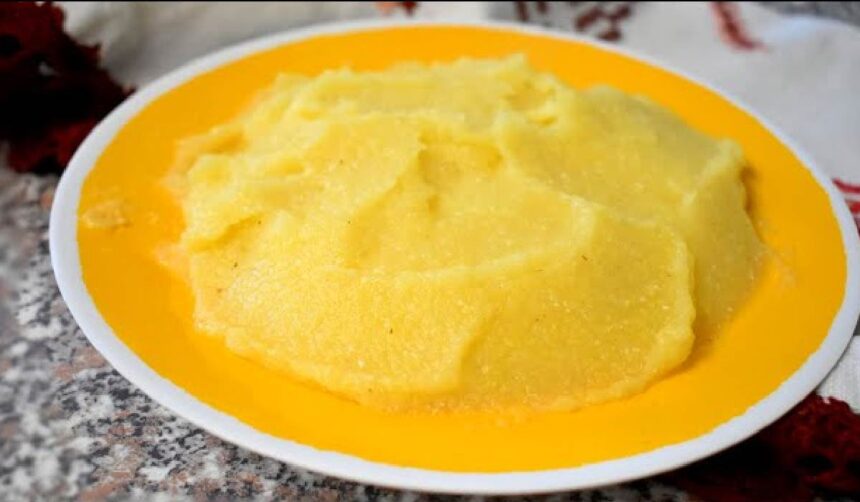
Palentu is a traditional cornmeal dish cooked in water, milk, or broth until it reaches a soft or firm texture. It is closely related to Italian polenta and is widely consumed in Balkan and Eastern European cuisines. The dish is made by slowly simmering cornmeal in liquid while stirring until it thickens into a creamy porridge or solid mass.
At its core, Palentu uses very basic ingredients: cornmeal, liquid, and salt. The simplicity of these ingredients is part of their appeal. Depending on how much liquid is used and how long it is cooked, Palentu can be served in two main textures. When prepared with more liquid and eaten immediately, it is soft and spoonable, similar to a thick porridge. When cooked and allowed to cool, it becomes firm enough to slice, and those slices can then be fried, grilled, or baked.
Palentu is often eaten as a side dish with meat, vegetables, or cheese, but it can also serve as a main meal, especially in rural households. Many people consider it comfort food because it is warm, filling, and deeply connected to family traditions. Although the name may vary by region, including polenta, mămăligă, or žganci, the core idea remains the same: a simple, nourishing cornmeal dish enjoyed across cultures.
The Origins and Historical Evolution of Palentu
The story of Palentu begins long before corn was even known in Europe. In ancient times, people prepared thick grain porridges using barley, millet, or wheat because these grains were easy to grow and provided essential nourishment. One of the earliest recorded examples is the Roman dish called “puls,” a thick porridge made from ground grains and water. Puls was a daily food for Roman soldiers and common citizens, showing that the concept behind Palentu has ancient roots.
Corn arrived in Europe in the 16th century after being brought from the Americas. Farmers quickly realized that corn was productive, resilient, and capable of feeding large populations. As corn cultivation spread across southern and eastern Europe, traditional grain porridges gradually shifted from barley and millet to cornmeal. Over time, these corn-based porridges evolved into dishes like Palentu.
In rural communities, especially in northern Italy and the Balkans, Palentu became a staple food. It was affordable, filling, and easy to prepare in large quantities. Because it required only simple ingredients, it was often labeled as “poor man’s food.” However, this label does not reduce its importance. For many families, Palentu was a daily meal that provided strength for agricultural labor. Over generations, what began as survival food transformed into a respected cultural dish, deeply connected to identity and tradition.
Palentu vs Polenta – Understanding the Difference
Many people ask whether Palentu and polenta are the same thing, and the short answer is yes, they are almost identical in preparation and ingredients. The difference lies mostly in language and regional naming. Polenta is the Italian term used widely in northern Italy, while Palentu is often used in certain Balkan or nearby regions to describe a similar cornmeal dish.
Culinarily, both dishes involve cooking cornmeal slowly in liquid until thick. The serving styles may differ slightly depending on local traditions. In Italy, polenta is often paired with rich sauces, mushrooms, or cheese. In Balkan regions, Palentu may be served with yogurt, white cheese, or grilled meats. These differences reflect cultural preferences rather than recipe changes.
Online confusion happens because people see the word Palentu and assume it is either a typo of polenta or a new dish. In reality, search behavior often includes spelling variations, dialect influences, and regional naming traditions. Understanding this clears up the confusion and shows that Palentu is not separate from polenta in essence, but rather part of the same broader culinary tradition.
Ingredients Used in Traditional Palentu
Traditional Palentu requires very few ingredients, which is one reason it has remained popular for centuries. The main ingredient is cornmeal, which can vary in texture from fine to coarse. The cooking liquid can be water, milk, or broth, depending on the desired richness and flavor. Salt is usually added for taste, and optional ingredients such as butter, olive oil, or cheese can enhance the final dish.
Types of Cornmeal Used
Stone-ground cornmeal is less processed and retains more texture and flavor, often resulting in a rustic dish. Instant cornmeal is pre-cooked and dries faster, reducing cooking time significantly, making it convenient for modern kitchens. Traditional coarse cornmeal takes longer to cook but produces a more authentic and hearty texture. The choice of cornmeal affects cooking time and final consistency, but all types can produce delicious Palentu when prepared properly.
Step-by-Step Guide to Making Authentic Palentu
To prepare authentic Palentu, begin by bringing water, milk, or broth to a gentle boil in a heavy-bottomed pot. A common ratio is about four cups of liquid to one cup of cornmeal, though this can vary depending on desired thickness. Once the liquid begins to boil, slowly pour in the cornmeal while stirring continuously. Stirring is crucial to prevent lumps and ensure a smooth texture.
After adding the cornmeal, reduce the heat to low and allow the mixture to simmer gently. Continue stirring frequently, especially as it thickens. Traditional coarse cornmeal may take 30 to 40 minutes to cook fully, while instant cornmeal may be ready in 5 to 10 minutes. The Palentu is ready when it pulls slightly away from the sides of the pot and has a thick, creamy consistency. At this stage, butter or cheese can be added for richness if desired.
Common Cooking Mistakes to Avoid
Adding cornmeal too quickly can create lumps that are difficult to remove. Not stirring enough may cause the mixture to stick and burn. Cooking on high heat can result in uneven texture. Using too little liquid can make the Palentu overly thick and dry. Paying attention to these details ensures a smooth and satisfying result.
Soft vs Firm Palentu – Two Classic Styles
Palentu can be enjoyed in two classic styles, each offering a different experience. The soft version is creamy and spoonable, often served immediately after cooking. It pairs well with stews, sauces, and melted cheese because it absorbs flavors beautifully. This version is especially comforting during colder months.
The firm version is created by pouring cooked Palentu into a dish and allowing it to cool completely. Once firm, it can be sliced into squares or rectangles. These slices can then be grilled, fried, or baked, producing a crispy exterior and tender interior. This style works well as a side dish or even as a base for toppings. Choosing between soft and firm depends on the meal and personal preference.
Traditional Ways Palentu Is Served in Different Regions
In Italy, polenta is commonly served with ragù, mushrooms, or melted cheese, reflecting northern Italian culinary traditions. In Croatia and Serbia, Palentu is often paired with yogurt, sour cream, or white cheese, creating a balanced and hearty meal. Romania, a similar dish called mămăligă plays an important role in rural cuisine and is served with meats or stews.
Historically, families prepared large portions of Palentu and placed the pot at the center of the table, where everyone shared the meal together. This communal style highlights its role in family bonding and rural traditions. In farming communities, it was eaten regularly because it was affordable and sustaining.
Global Variations Similar to Palentu
Around the world, many cultures have developed similar cornmeal dishes. Italian polenta is the closest relative. Romanian mămăligă shares nearly identical preparation methods. Balkan kačamak and žganci are also variations of thick cornmeal porridges. In the United States, grits serve as a Southern staple made from ground corn, though typically softer and finer. In Brazil, cuscuz uses cornmeal in a steamed form, showing another adaptation of corn-based cooking. These similarities demonstrate how corn has become a global food foundation.
Nutritional Value of Palentu
Palentu is primarily a source of carbohydrates, providing energy and satiety. Because it is made from cornmeal, it is naturally gluten-free, making it suitable for people with gluten intolerance. It contains moderate fiber and small amounts of vitamins and minerals depending on processing.
The nutritional profile changes depending on preparation. Adding butter, cheese, or cream increases fat and calorie content, while preparing it with water and serving it with vegetables keeps it lighter.
Is Palentu Healthy?
Paleo is healthy when prepared simply and paired with balanced ingredients like vegetables and lean protein. It becomes calorie-dense when heavily topped with rich sauces or cheese. Choosing healthier toppings and moderate portions makes it a nutritious meal option.
Cultural Importance and Social Meaning of Palentu
Palentu represents more than food; it symbolizes rural heritage and agricultural life. For centuries, it fed hardworking families who relied on simple ingredients. Though once labeled as poor food, it is now recognized as an important part of culinary heritage. It carries emotional value, reminding people of childhood meals and family gatherings. Especially during winter, a warm bowl of Palentu offers comfort and tradition.
Palentu in Modern Cuisine and 2026 Food Trends
In 2026, Palentu aligns perfectly with food trends focused on gluten-free, plant-based, and farm-to-table eating. Restaurants reinterpret it with creative toppings, and social media has revived interest in traditional recipes. Minimalist cooking and interest in authentic heritage foods have pushed Palentu back into modern kitchens, proving its timeless appeal.
Common Misconceptions About Palentu
Palentu is not a new invention; it has centuries of history. It is not completely different from polenta, but a regional variation. It’s not unhealthy by default; preparation determines nutritional value. It does not belong only to Italy, as many Balkan cultures claim it as well. It is not difficult to cook when the proper technique is followed.
Tips for Making Perfect Palentu Every Time
Using a heavy-bottomed pot prevents burning. Adding cornmeal slowly avoids lumps. Stirring consistently ensures a smooth texture. Allowing it to rest improves firmness. Leftovers can be sliced and fried for a second meal, adding versatility and reducing waste.
Why Palentu Has Survived for Centuries
Palentu has endured because it is simple, affordable, and adaptable. It works in both humble kitchens and fine restaurants. Its emotional connection to family life strengthens its cultural value. Few dishes combine practicality and tradition as effectively as Palentu.
Conclusion
Palentu is a traditional cornmeal dish with deep historical roots and strong cultural significance. It is simple yet versatile, nutritious yet comforting, and adaptable to modern dietary trends. Whether enjoyed soft and creamy or firm and grilled, Palentu offers something for every table. Its global variations prove its universal appeal, and its long history shows its lasting importance. Trying Palentu means connecting with a dish that has fed generations and continues to bring warmth and satisfaction today.