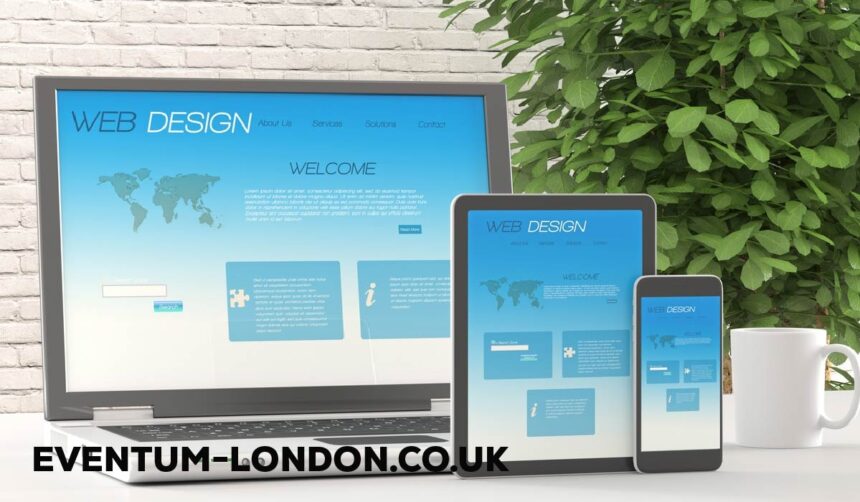
Pxless is a modern pixel-less design approach that avoids fixed pixel units and uses relative measurements like rem, em, %, vw, and vh to create flexible layouts. It improves responsive design, scalability, and cross-device compatibility. Pxless is a future-focused method that ensures consistent digital experiences across all screen sizes.
Introduction
Pxless is changing how designers and developers build websites in a world where users access content on many different devices. Today, people switch between smartphones, tablets, laptops, and even smart TVs. However, many websites still rely on fixed pixel layouts, which often break or look awkward on different screen sizes. This creates a poor user experience, with text becoming too small, buttons hard to tap, and layouts misaligned.
The digital world has shifted to a mobile-first environment, where flexibility is no longer optional but necessary. Pixel-based design was useful when most users accessed websites on desktop screens, but it struggles to keep up with modern demands. Fixed layouts cannot adapt naturally to different resolutions, which leads to inconsistent design and usability problems.
Pxless offers a modern solution to these challenges by focusing on flexibility, scalability, and adaptability. Instead of locking elements into fixed sizes, it allows designs to flow and adjust based on the device and screen size. This approach creates smoother, more consistent user experiences across platforms. In this article, you will learn what Pxless is, how it works, its benefits, and why it is becoming essential for modern web design.
What Is Pxless?
The term Pxless comes from combining “px,” which stands for pixels, and “less,” meaning without. Pixels are fixed units used to define the size of elements in digital design. When designers use pixels, they create layouts that are exact and rigid. While this can make designs look precise on one screen, it often causes problems on others.
Pxless removes this dependency on fixed pixel values. Instead, it uses relative units like percentages, em, rem, and viewport-based measurements. These units adjust based on the screen size or container, allowing elements to resize automatically. This creates a more fluid and adaptable design.
In simple terms, Pxless means designing in a way that works everywhere without needing constant adjustments. Unlike traditional pixel-based layouts, which may require separate versions for mobile and desktop, Pxless creates one flexible design that fits all devices. This makes websites easier to use, more accessible, and better suited for modern digital environments.
History and Evolution of Web Layouts
Web design has gone through several major changes over the years. In the early days of the internet, websites were built using fixed pixel layouts. Designers created pages with exact widths and heights, often designed only for desktop screens. At that time, this approach worked well because most users had similar screen sizes.
As technology evolved, more devices entered the market. Laptops, tablets, and smartphones changed how people accessed the web. This shift exposed the weaknesses of fixed pixel design. Websites that looked perfect on desktops often appeared broken or unusable on smaller screens.
To solve this, responsive design was introduced. Responsive design allowed layouts to adjust based on screen size using techniques like media queries. While this was a major improvement, it still relied partly on pixel-based thinking.
Pxless represents the next step in this evolution. Instead of adjusting fixed designs, it removes fixed units entirely. It embraces fluid layouts and scalable systems that naturally adapt to any screen. This makes Pxless a more advanced and future-ready approach to web design.
Why Pxless Is Important in 2025 and Beyond
In 2025 and beyond, digital experiences must work across a wide range of devices. From smartphones and tablets to smartwatches and large displays, users expect seamless interaction everywhere. Pxless plays a key role in meeting these expectations by ensuring designs adapt automatically.
The growing focus on user experience and accessibility also makes Pxless important. Users need websites that are easy to read, navigate, and interact with, regardless of their device or abilities. Fixed pixel designs often fail to meet these needs, especially on smaller or high-resolution screens.
Modern displays, including high-DPI and Retina screens, require designs that scale properly. Pxless ensures that elements remain sharp, clear, and well-proportioned across all devices. This improves both visual quality and usability.
Another reason Pxless is important is its future-proof nature. As new devices and technologies emerge, designs must adapt without constant redesign. Pxless provides a flexible foundation that can handle these changes, making it a smart choice for long-term digital projects.
Core Principles of Pxless Design
Pxless design is built on several key principles that make it flexible and effective. Fluid layouts are one of the most important aspects, allowing elements to adjust based on available space instead of fixed sizes. This ensures that content flows naturally across different screens. Scalable typography uses units like rem and em, making text readable and consistent on all devices.
Another core principle is responsive behavior, where layouts automatically adapt without requiring separate designs. This creates a smoother user experience and reduces development complexity. Flexible grids, powered by CSS Grid and Flexbox, help structure content in a way that adjusts dynamically.
Consistency is also essential in Pxless design. Consistency across devices ensures that users have a similar experience whether they are on a phone or a desktop. Finally, accessibility-first design ensures that layouts remain usable for all users, including those who rely on zooming or assistive technologies. Together, these principles create a strong foundation for modern digital design.
How Pxles Works (Technical Explanation)
Pxless works by replacing fixed pixel values with flexible, relative units that adjust based on context. Instead of defining a width as 300 pixels, designers use percentages or viewport units that scale with the screen size. This allows elements to grow or shrink naturally.
Viewport-based scaling is another key part of Pxless. Units like vw and vh are based on the size of the screen, making it easy to create layouts that adapt to different devices. This ensures that content always fits properly within the visible area.
Dynamic resizing is achieved through modern CSS techniques. Elements respond to changes in screen size, container size, and user preferences. This creates a more interactive and adaptable design system.
Modern CSS tools play a major role in enabling Pxless. Features like Flexbox, Grid, and responsive functions allow developers to build flexible layouts without relying on fixed values. Overall, Pxless works by creating systems that adjust automatically, making design more efficient and user-friendly.
Key Technologies Behind Pxless Design
Pxless design relies on modern CSS technologies that support flexibility and scalability. CSS Flexbox allows elements to align and distribute space efficiently within a container, making it ideal for responsive layouts. CSS Grid provides a more structured system for creating complex layouts that adapt to different screen sizes.
Viewport units (vw and vh) enable elements to scale based on the size of the screen, ensuring consistent proportions. Clamp(), min(), and max() functions help create responsive typography that adjusts smoothly between different sizes.
Container queries allow components to adapt based on their parent container instead of the entire screen. This makes designs more modular and flexible. CSS variables, also known as design tokens, help maintain consistency in colors, spacing, and sizes while allowing easy updates.
Together, these technologies make it possible to implement Pxless design effectively, providing a strong foundation for modern, responsive websites.
Benefits of Pxless Design
Pxless design offers many benefits that improve both user experience and development efficiency. Better user experience is achieved through layouts that adapt smoothly to different devices, making websites easier to use. Cross-device compatibility ensures that designs look consistent on all screens.
Accessibility is another major advantage. Improved accessibility allows users to adjust text size and layout without breaking the design. This makes websites more inclusive and user-friendly.
Performance also improves with Pxless. Faster performance is achieved through cleaner and more efficient code, reducing load times. Reduced development time comes from eliminating the need for multiple layout versions.
Finally, Pxless is future-proof, meaning it can adapt to new devices and technologies without major changes. This makes it a valuable approach for long-term digital projects.
Pxless vs Pixel-Based Design vs Responsive Design
Pxless design differs significantly from traditional pixel-based and responsive design approaches. Pixel-based design relies on fixed values, making it rigid and difficult to adapt. Responsive design improves flexibility by adjusting layouts based on screen size, but it often still depends on pixel-based rules.
Pxless goes further by removing pixel dependency entirely. It uses scalable systems that adapt naturally, providing greater flexibility and consistency. This makes Pxless more efficient and future-ready compared to other methods.
The main difference lies in how each approach handles change. Pixel-based design struggles with different screen sizes, responsive design adapts through rules, and Pxless adapts automatically through flexible systems. This makes Pxless the most advanced and adaptable option.
Practical Examples of Pxless in Action
Pxless design can be seen in many real-world examples. Typography can scale using rem or em units, ensuring readability across devices. Images can be adjusted using flexible rules like max-width, preventing overflow or distortion.
Buttons can be designed using percentage-based widths, allowing them to resize naturally. Layouts built with Flexbox or Grid can rearrange content based on available space, creating a smooth user experience.
These examples show how Pxless solves common design problems. Instead of creating separate layouts, one flexible system can handle all devices. This makes the design simpler and more effective.
Pxless in Web Design, Mobile Apps, and Digital Products
Pxless is not limited to websites. In web design, it helps create responsive layouts that work across all browsers and devices. In mobile apps, it ensures interfaces adapt to different screen sizes without requiring multiple versions.
For digital products, Pxless provides a consistent user experience across platforms. This is especially important for modern applications that run on multiple devices. It also supports emerging technologies like IoT and wearables.
As digital ecosystems grow, Pxless becomes more valuable. It provides a unified approach to design that works everywhere, reducing complexity and improving usability.
Accessibility and UX Advantages of Pxless
Pxless design improves accessibility by allowing users to adjust layouts without breaking them. Zoom-friendly designs make it easier for users with visual impairments to read content. Scalable typography ensures text remains clear and readable.
Inclusive design practices are easier to implement with Pxless. Flexible layouts support different user needs and preferences. Screen-reader compatibility is also improved when content is structured and scalable.
These advantages lead to a better user experience. Navigation becomes smoother, interactions become easier, and users can access content without frustration. Pxless helps create digital experiences that work for everyone.
Performance and SEO Benefits of Pxless
Pxless design contributes to better performance by reducing unnecessary code and simplifying layouts. This leads to faster load times, which is important for both users and search engines. Faster websites tend to rank higher and keep users engaged.
SEO also benefits from a mobile-friendly design. Search engines prioritize websites that work well on all devices. Pxless ensures consistent structure and readability, improving user engagement and dwell time.
Lower bounce rates are another advantage. When users can easily navigate and read content, they are more likely to stay on the site. This signals quality to search engines and improves rankings.
Challenges and Limitations of Pxless Design
Despite its benefits, the Pxless design has some challenges. Developers may need time to learn new techniques and shift away from pixel-based thinking. This learning curve can slow adoption in some teams.
Testing can also be more complex. Since layouts are flexible, they must be tested across multiple devices and screen sizes. This requires careful planning and attention to detail.
Migrating from older systems can be difficult. Legacy designs often rely heavily on pixels, making conversion challenging. However, these challenges are manageable and are outweighed by the long-term benefits.
How to Implement Pxless Design (Step-by-Step)
Implementing Pxless design involves a gradual shift in approach. First, replace pixel values with relative units like rem, em, or percentages. This creates a flexible foundation for layouts.
Next, use modern layout systems like Flexbox and Grid to build responsive structures. These tools allow content to adapt naturally. Apply responsive typography using functions like clamp to ensure text scales properly.
Viewport units can be used to create elements that adjust based on screen size. Finally, test designs across different devices to ensure consistency. Following these steps helps create effective Pxless designs.
Future of Pxles Design (2026 and Beyond)
The future of Pxless design looks promising as technology continues to evolve. AI-driven design systems are expected to automate layout adjustments, making design even more adaptive. New devices like AR and VR will require flexible interfaces that Pxless can support.
Frameworks and tools are increasingly adopting Pxless principles, making implementation easier. As digital experiences become more complex, flexibility will be essential.
Pxless will play a key role in shaping future user experiences. Its ability to adapt makes it a valuable approach for modern and future design needs.
Conclusion
Pxless represents a major shift in how digital design is approached. Moving away from fixed pixels, it creates flexible and scalable systems that work across all devices. This improves user experience, accessibility, and performance.
As technology continues to change, Pxless provides a reliable and future-proof solution. It allows designers and developers to create consistent and adaptable experiences without constant adjustments.
Adopting Pxless is not just a trend but a necessary step for modern design. It ensures that digital products remain usable, efficient, and ready for the future.