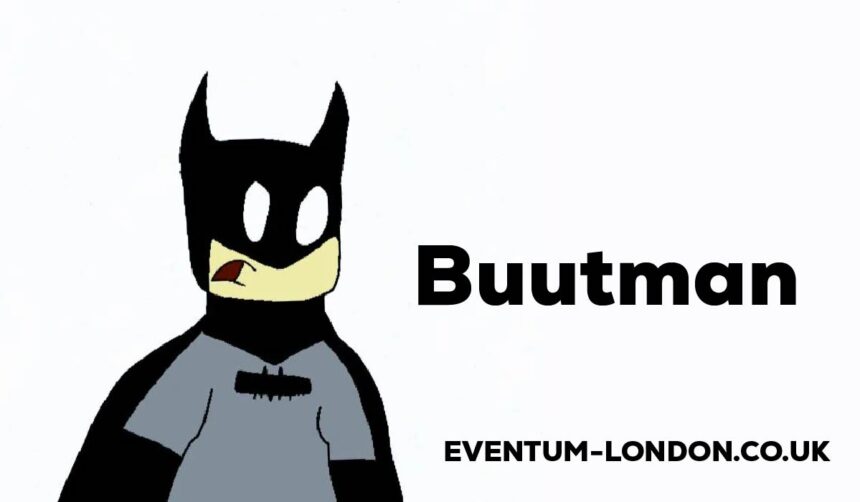
Buutman is a creative digital persona that blends art, humor, gaming, and internet culture into a unique online identity. It appears across platforms like DeviantArt, YouTube, Twitter, and gaming forums, where it grows through fan content, memes, and community interaction. Buutman is a flexible online character shaped by creativity and shared digital culture.
Introduction
Buutman is gaining attention online because people are more interested than ever in digital personas that feel creative, mysterious, and community-driven. In today’s internet world, users do not only follow real-life influencers or big creators. They also connect with characters, identities, and names that carry a special style or mood. That is where Buutman stands out. The name sounds unusual, memorable, and curious, which makes people want to know more. Many search for “Buutman meaning” because they see the name connected to art, memes, gaming content, and social media conversations.
Another reason Buutman is trending is the growth of meme culture, gaming communities, and digital art spaces. Modern internet culture rewards identities that can move across platforms and still feel original. Buutman fits this perfectly because it does not stay limited to one website or one format. It appears in fan art, gaming edits, humorous posts, and community discussions, which gives it a wider digital life. The mystery behind the persona also adds to its appeal. People enjoy online figures that are not fully explained because that leaves room for imagination. This guide explains everything about Buutman, including its origin, meaning, platforms, culture, and future potential.
Buutman is an online character used in digital art, memes, gaming content, and internet conversations. It is not limited to one simple identity. Instead, Buutman works as a creative persona that people connect with through humor, storytelling, visuals, and community participation across different online platforms.
The Origin and History of Buutman
The origin of Buutman is one of the main reasons the persona feels so interesting. Unlike many online creators who launch their brand with a clear message, Buutman seems to have grown in a more organic and mysterious way. Its beginnings are not fully documented, which has helped create curiosity around the name. Early signs of Buutman appeared in online art spaces, especially on DeviantArt, where “The Buut Man” showed up in fan-created artwork. These early creative works gave the name a visual form and allowed different artists to interpret it in their own way.
This kind of beginning is important because it shows that Buutman was not built like a traditional brand. It developed through digital creativity and community imagination. A name that may have started as a small idea slowly became something larger because people kept reshaping it. Over time, Buutman moved from being just a name into something closer to a character or online concept. That shift from word to persona is at the center of Buutman history. It is also why questions like “who created Buutman” or “what is Buutman origin” remain part of its online appeal. Instead of having one fixed story, Buutman has a layered history shaped by artists, fans, and internet culture itself.
Buutman as a Digital Persona and Concept
Buutman is best understood not as one single person but as a digital persona and creative concept. This makes it different from a normal social media account or a personal username. A creator is usually tied to one real identity, one voice, and one content style. A persona, on the other hand, can grow across many forms and take on different meanings depending on where it appears. Buutman belongs to that second category. It combines art, humor, storytelling, gaming identity, and internet expression in a way that feels open and flexible.
This flexibility is one of the strongest parts of the Buutman concept. On one platform, it can look like a character in fan art. On another, it can appear as part of a gaming clip, a meme, or a funny online post. That means Buutman is not fixed in one shape. It changes with the platform, the community, and the kind of content being created. At the same time, it still keeps a recognizable feeling. The name, the style, and the playful digital energy all help people identify it. Community-created meaning also plays a major role here. Buutman becomes more powerful because people participate in shaping it. In that sense, the creator may start the idea, but the persona grows through shared internet culture and audience interaction.
Buutman Across Major Online Platforms
Buutman stands out because it has meaning across several major online platforms instead of living in only one digital space. On DeviantArt, Buutman seems closely linked to its artistic roots. This platform gave the persona an early visual identity through fan art, creative illustrations, and character-style designs. Artists could imagine Buutman in different ways, which helped turn it into something visually memorable. DeviantArt was important because it allowed Buutman to become not only a name but a figure people could actually picture.
On YouTube, Buutman took on a different energy. Here the persona connected more strongly with gaming culture, humor, edits, and compilations. Video content gives more room for motion, jokes, reaction-based content, and shared internet references. This helped Buutman move from still images into a more active and entertaining digital form. On Twitter, the identity became even more social. Short posts, memes, witty updates, and interaction with followers made Buutman feel more alive as a voice within internet culture. Twitter is a strong platform for humor and fast-moving trends, so Buutman fits well there.
Gaming forums add another side to the story. In these spaces, including fandom and sci-fi communities such as Emperor’s Hammer, Buutman connects with users who value storytelling, group identity, and shared references. That makes Buutman more than just a social media name. It becomes part of digital communities where characters, jokes, and online lore matter. Across all these platforms, Buutman keeps changing form while still remaining recognizable, and that cross-platform identity is a major reason why it continues to attract attention.
The Role of Meme Culture in Buutman’s Growth
Meme culture has played a major role in the growth of Buutman because memes are one of the most powerful ways ideas spread online. A meme is more than just a joke image. It is a fast-moving unit of internet culture that carries humor, emotion, commentary, and shared understanding. Buutman fits naturally into this world because the name itself sounds playful and memorable, and the persona has enough mystery and flexibility to be used in many humorous ways. Online communities often enjoy taking a strange or unique identity and turning it into something funny, relatable, or creative. Buutman works well in that environment.
Another reason meme culture supports Buutman is because memes invite remixing. One user creates a post, another changes it, another adds a reference, and soon the content spreads across platforms. This process helps digital identities grow without needing a formal campaign. Buutman benefits from that kind of community movement. The persona can appear in fan art, reaction posts, jokes, edited clips, or short social media comments, and all of these forms help increase visibility. Self-aware internet humor also matches Buutman’s style. Online audiences enjoy content that feels clever, a little absurd, and connected to the language of the internet. Because Buutman can move easily inside that tone, meme culture does not just support the persona. It actively helps shape and expand its meaning.
Key Features That Make Buutman Unique
One of the clearest reasons Buutman stands out is its name. The word itself feels unusual, catchy, and instantly memorable. In online culture, branding often begins with a name that creates curiosity, and Buutman does that very well. People remember it because it sounds different from standard usernames or personal brands. Beyond the name, Buutman also has the advantage of being a multi-platform identity. It is not locked into one website, one audience, or one content type. That gives it more room to grow and remain interesting.
Another unique feature is that Buutman is community-driven. Many online identities are carefully polished and controlled by one creator or company. Butman feels more open. It grows through fan content, platform culture, jokes, interaction, and shared digital participation. That makes it feel more natural and less forced. The humor also matters. Butman has an unpredictable quality that fits internet culture very well. It can be playful, creative, artistic, or meme-like depending on the situation. This flexibility gives it strong creative power. Compared with traditional influencers, who often focus on polished branding, product promotion, or repeated content styles, Buutman feels more experimental and original. That difference gives it a special place in online culture and helps explain why people see it as more than just another internet name.
Why People Follow Buutman
People follow Buutman because the persona feels authentic in a digital world that often feels overly polished. Many users are tired of creators who seem too commercial, too scripted, or too focused on perfect branding. Buutman offers a different kind of appeal. It feels more quirky, creative, and community-based. That makes it easier for followers to connect with. The humor is another major reason. Buutman fits the kind of internet humor that feels casual, playful, and naturally online instead of forced for attention.
Creative freedom also helps Buutman attract interest. Because the persona is not trapped inside one strict format, followers can enjoy it in different ways. Some may know Buutman through art, others through memes, gaming content, or social media interaction. This broad but connected identity makes the audience feel like they are part of something evolving. The interactive side is important too. People are more likely to stay interested in an online persona when they feel included in the conversation. Butman benefits from that emotional connection. It feels like a shared internet identity rather than a distant figure. In today’s culture, many people prefer something real, odd, and imaginative over something perfectly managed. Butman fits that desire by offering humor, personality, and a niche sense of belonging that many followers find refreshing.
Challenges Facing Buutman in the Digital Space
Even though Buutman has many strengths, the persona also faces real challenges in the digital space. One of the biggest is limited mainstream exposure. Online culture is full of interesting niche identities, but not all of them break into wider recognition. Buutman may be well known inside certain creative or gaming communities, yet still remain unfamiliar to larger audiences. That can make growth slower, especially when other platforms reward already-famous creators. Visibility is another issue. Algorithms on YouTube, Twitter, and other websites often favor accounts with stronger reach, regular uploads, or trending content styles.
Content consistency can also affect Buutman’s future. A flexible persona is exciting, but it can sometimes become difficult for new audiences to understand. If the identity appears in many different forms without a clear central message, some users may enjoy it but still not fully understand what Buutman is meant to represent. Identity clarity matters when building long-term recognition. There is also the risk of staying too niche. Niche appeal can be powerful, but if growth depends only on a small circle of online communities, the persona may struggle to expand. These challenges do not weaken Buutman’s value, but they do show that turning a creative digital identity into a lasting online presence requires both originality and some level of strategic direction.
Opportunities and Growth Potential of Buutman
Buutman also has strong opportunities for future growth because its identity is flexible enough to move into many forms of digital expansion. One major opportunity is collaboration. Working with artists, meme creators, gamers, or small online communities could help Buutman reach new audiences without losing its unique style. Collaborations often work well for internet personas because they create shared visibility and introduce the character to people who may not have seen it before. Another promising direction is gaming streams or live content. Since Buutman already connects well with gaming and internet humor, live interaction could deepen community engagement.
Merchandising is another area with potential. A persona built around art, humor, and visual identity can naturally expand into prints, stickers, meme-inspired designs, or other creative products. This kind of branding does not have to feel corporate if it stays connected to the original spirit of the persona. Butman also has room to become a stronger digital brand through consistent storytelling and platform presence. As online audiences continue to support niche creators and culture-driven identities, Buutman could benefit from that shift. Community growth may be its biggest advantage of all. Since Buutman already feels participatory, its audience can become part of the brand-building process. That gives it a solid base for organic growth and makes it possible for Buutman to move from an underground creative identity into a more recognized digital presence.
The Future of Buutman in Digital Culture
The future of Buutman looks promising because digital culture is moving toward more flexible and creative forms of identity. In 2025 and 2026, internet users are paying even more attention to online personas, fictional branding, AI-influenced characters, and community-built identities. Traditional content creators still matter, but there is growing interest in digital figures that feel more experimental and imaginative. Butman fits well into that future because it already works as a blend of art, humor, gaming culture, and internet expression. It does not need to become a completely different thing to stay relevant. It simply needs to keep evolving in ways that match modern online behavior.
Community-driven brands are also becoming more important. People enjoy feeling that they helped shape a character, trend, or internet identity. Butman has that advantage because its meaning is not fully controlled from the top. It grows through how communities use it, talk about it, and recreate it. That makes the persona feel alive. There is also real potential for Buutman to become a cult internet icon. Many online figures begin in niche spaces and later gain wider recognition because their uniqueness stands out over time. Butman has the kind of memorable name, adaptable identity, and cultural flexibility that could support that path. If it keeps building visibility while staying true to its playful and creative roots, it could move from niche interest to broader digital relevance.
Real Examples of Butman Content and Influence
Butman’s influence can be seen through the different forms of content connected to its name. In digital art spaces, fan art is one of the clearest examples. Artists use the persona as a subject for creative interpretation, which helps build a visual identity around Buutman. These artworks do more than decorate the internet. They give shape, mood, and character to the persona. On video platforms, Buutman can appear through gaming edits, humorous compilations, themed clips, or creative media that blend memes and internet references. This helps the persona move from static image culture into motion-based content.
Meme posts are another strong example of Buutman’s influence. Memes help spread a persona because they are easy to share, adapt, and remix. Community discussions on social media and gaming forums also show that Buutman is not only seen but talked about. That conversation matters because internet relevance is often built through repeated mention and shared participation. Content spreads across platforms when users bring the same identity into different spaces, and Buutman benefits from this pattern. A fan might first see the name in art, then notice it in a gaming clip, then encounter it again in a meme or forum post. This repeated cross-platform visibility helps turn Buutman from a small idea into a recognizable digital presence.
Facts About Butman
Buutman is a multi-platform digital persona that connects with audiences through art, gaming, humor, and internet culture. Its roots appear strongly connected to online art communities, especially where fan-created visuals helped shape its early identity. The persona has also grown through meme culture, which has increased its visibility and made it easier for users to remix and share. One of the most important facts about Buutman is that it feels community-created rather than fully controlled by one fixed source. That open identity has allowed it to develop across different websites and digital communities. As its presence expands, Buutman continues to represent a form of online creativity that is flexible, collaborative, and strongly connected to modern internet expression.
Conclusion
Buutman matters in modern internet culture because it shows how digital creativity can grow beyond traditional ideas of content creation. It is not just a username, a joke, or a simple online character. It is a living example of how art, humor, gaming, memes, and community storytelling can come together to form a lasting digital identity. In an online world where many creators try to follow the same patterns, Buutman feels different because it remains open, playful, and shaped by interaction. That gives it cultural value beyond simple entertainment.
The persona also reflects a larger shift in the internet itself. People increasingly connect with identities that feel collaborative, flexible, and imaginative. Buutman fits that shift perfectly by existing across platforms and allowing different communities to add meaning to it. Its future potential is strong because it already has the building blocks of long-term relevance: curiosity, adaptability, and audience participation. Whether it stays niche or grows into a wider digital icon, Buutman has already become an example of how modern online culture creates memorable identities. Buutman represents the future of digital identity—creative, flexible, and shaped by the internet community.