Introduction
Rodwajlery is a word that many people are searching online right now. Rodwajlery is simply the Polish name for the Rottweiler dog breed. However, many users are confused and wonder whether Rodwajlery is a new breed, a mixed dog, or just a different spelling. This confusion has caused a rise in online searches, especially on social media and international websites where the word appears more frequently.
Some people come across the word Rodwajlery in foreign posts, videos, or dog forums. Others see it in comments and assume it refers to a rare or special version of the Rottweiler. Because of this growing curiosity, more dog lovers are trying to understand what Rodwajlery really means and whether it is different from the well-known Rottweiler.
In this detailed guide, we will clearly explain the meaning of Rodwajlery, its origin, and its historical background. We will also explore the physical traits, personality, training needs, health concerns, grooming routine, and suitability as a family dog. In addition, we will address common myths, buying advice, and important facts every potential owner should know. By the end of this article, you will fully understand what Rodwajlery truly represents.
What Is Rodwajlery?
Rodwajlery is the Polish term for the Rottweiler dog breed, a strong, intelligent, and loyal working dog originally from Germany. It is not a separate breed or a new type of dog. The word Rodwajlery simply reflects how “Rottweiler” is written and pronounced in the Polish language.
The Rodwajlery and the Rottweiler are exactly the same breed. The difference exists only in spelling and pronunciation. Internationally, kennel clubs officially recognize the breed under the name Rottweiler. However, in Poland and some neighboring regions, people commonly use the word Rodwajlery when referring to this powerful and dependable dog.
This breed is popular worldwide due to its strength, protective instincts, and deep loyalty toward its family. Rodwajlery are often used as guard dogs, police dogs, military working dogs, and loving family companions. Their calm confidence, strong build, and sharp intelligence make them one of the most respected working breeds in the world.
Meaning and Linguistic Origin of the Word Rodwajlery
The word Rodwajlery comes from the Polish adaptation of the German name “Rottweiler.” In Polish pronunciation, certain letter sounds are adjusted to match local speech patterns. As a result, “Rottweiler” becomes “Rodwajler,” and its plural form is “Rodwajlery.”
The spelling variation exists because languages often modify foreign words to fit their own phonetic rules. Polish speakers naturally pronounce the German “ttw” and “ei” sounds differently, leading to the transformation into Rodwajlery. This is common with many international dog breed names.
Many people search for Rodwajlery instead of Rottweiler because they have heard the word spoken in Polish media or seen it written online. Others may assume it represents a unique breed variation. However, the officially recognized breed name in global kennel organizations remains Rottweiler. Rodwajlery is simply a linguistic variation, not a different dog.
History and Origin of Rodwajlery
The history of Rodwajlery, or Rottweilers, dates back over 2,000 years to the Roman Empire. Roman armies used strong working dogs to drive cattle and guard camps as they traveled across Europe. These early dogs were valued for their endurance, discipline, and courage during long military campaigns.
When Roman soldiers settled near the town of Rottweil in Germany, their cattle-driving dogs stayed behind and bred with local dogs. Over time, a distinct working breed developed. These dogs became known as “Rottweiler Metzgerhund,” meaning “Butcher’s Dog of Rottweil.” They helped butchers herd livestock, pull heavy carts filled with meat, and guard money pouches tied around their necks.
During the industrial revolution, railways replaced cattle driving, and the breed’s population declined. However, in the early 20th century, Rodwajlery gained renewed attention for their strength and obedience. They were soon used in police work, military service, and rescue missions. Today, they are globally respected as reliable working dogs and loyal family companions.
Physical Appearance and Breed Standards of Rodwajlery
Rodwajlery have a powerful and muscular appearance that reflects their working heritage. Adult males typically stand between 24 to 27 inches tall at the shoulder and weigh between 95 to 135 pounds. Females are slightly smaller, usually measuring 22 to 25 inches tall and weighing between 80 to 100 pounds. Their balanced proportions create a solid and confident stance.
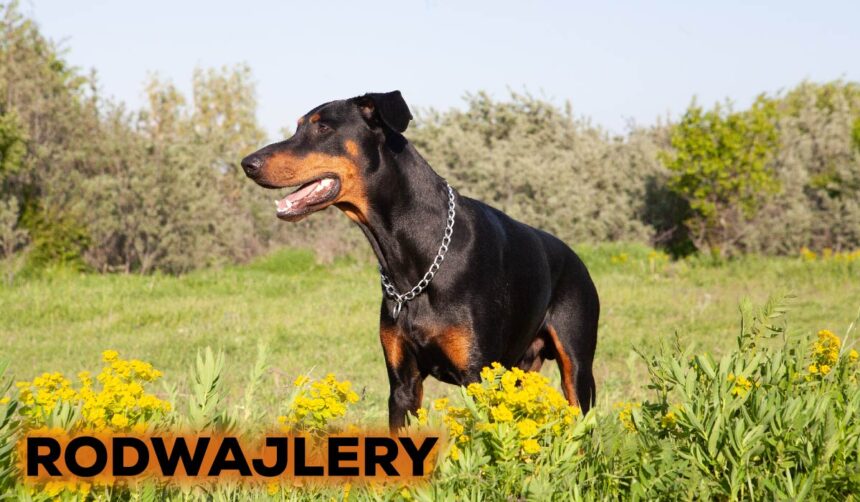
Their coat is short, dense, and straight, forming a protective double layer. The outer coat is firm, while the undercoat provides insulation during colder weather. Rodwajlery are always black with clearly defined rust or mahogany markings on the cheeks, muzzle, chest, legs, and above the eyes. These markings are a key feature of the breed standard.
The head is broad with a strong jaw and dark almond-shaped eyes that show alertness and calm focus. Their chest is wide and deep, and their back is straight and sturdy. Traditionally, tails were docked in some countries, but many regions now allow natural tails. The ears are medium-sized and fold forward close to the head, giving the dog an attentive look.
Rodwajlery Temperament and Personality Traits
Rodwajlery are known for their loyalty and deep attachment to their families. They form strong bonds with their owners and naturally want to protect their home environment. This protective instinct does not mean they are aggressive by default. Instead, it shows their sense of responsibility and awareness.
They are highly intelligent and learn commands quickly. Because of their sharp minds, they excel in obedience training and advanced working roles. Their intelligence allows them to understand boundaries and follow structured routines easily.
Rodwajlery are naturally reserved around strangers but should not be fearful or hostile when properly socialized. Early exposure to different people and environments helps them grow into confident and balanced adults. Around children, they can be gentle and patient when raised in a stable home. However, supervision is always recommended due to their size and strength. Most aggression myths surrounding this breed are linked to poor training rather than natural temperament.
Training Requirements for Rodwajlery
Training a Rodwajlery should begin as early as eight weeks old. Early obedience lessons such as sit, stay, and come create a strong foundation for discipline. Because they are powerful dogs, consistent training is essential to ensure control and good behavior.
Positive reinforcement works best for this breed. Praise, treats, and toys motivate them to learn quickly. Harsh punishment should always be avoided because it can create fear or confusion. Structured guidance helps them understand expectations clearly.
Socialization is equally important. Exposure to different environments, sounds, and people builds confidence and reduces anxiety. Advanced training can include protection work or specialized tasks, but this should be handled by experienced trainers. With discipline and clear leadership, Rodwajlery become highly obedient and dependable companions.
Exercise and Daily Activity Needs
Rodwajlery are energetic and require one to two hours of daily exercise. Regular walks, jogging sessions, and active play help maintain muscle strength and mental balance. Without enough activity, they may become bored and develop destructive habits.
Mental stimulation is also important. Puzzle toys, obedience drills, and scent games keep their minds engaged. They can adapt to apartment living if given sufficient exercise, but they thrive best in homes with space for movement.
Lack of exercise can lead to weight gain, restlessness, and behavioral problems. A consistent routine of physical and mental activities ensures a calm and satisfied dog.
Diet and Nutrition for Rodwajlery
A balanced diet supports the strength and health of Rodwajlery. High-quality dog food rich in protein helps maintain muscle mass. Balanced fats provide energy and support coat health. Joint supplements such as glucosamine may benefit large breeds.
Feeding schedules should include two measured meals per day. Portion control prevents obesity, which can worsen joint problems. Fresh water must always be available to maintain hydration.
Avoid overfeeding and excessive treats. Maintaining a healthy weight reduces the risk of heart issues and joint stress.
Common Health Problems in Rodwajlery
Rodwajlery are generally strong but may face certain health risks. Hip dysplasia is a common genetic condition affecting joint alignment. Symptoms include limping or difficulty rising. Elbow dysplasia can also affect mobility.
Dilated cardiomyopathy is a heart condition seen in some individuals. Bloat, also called gastric dilatation-volvulus, is a life-threatening emergency requiring immediate care. Osteosarcoma, a form of bone cancer, has also been reported in the breed.
The average lifespan is around 8 to 10 years. Regular veterinary checkups and responsible breeding reduce many risks. Early detection of symptoms improves long-term health outcomes.
Grooming and Maintenance Routine
Rodwajlery have relatively low grooming needs. Weekly brushing removes loose hair and maintains a healthy coat. Seasonal shedding may increase during temperature changes.
Bathing is only needed occasionally. Nails should be trimmed regularly to prevent discomfort. Ear cleaning prevents infections, and dental hygiene supports overall health.
Overall grooming difficulty is moderate and manageable for most owners.
Rodwajlery as a Family Dog
Rodwajlery can be excellent family dogs when raised in structured homes. They respond best to confident and consistent leadership. Experienced owners often handle this breed more successfully.
They are protective of children and deeply loyal. However, passive or inexperienced owners may struggle with their strength and training needs. Active families who provide exercise and guidance often find Rodwajlery to be dependable and affectionate companions.
Rodwajlery in Police, Military, and Service Work
Rodwajlery are widely used as police K9 units due to their intelligence and courage. They assist in search and rescue missions and military operations. Their strong scenting ability and steady temperament make them effective working partners.
They also serve as therapy dogs in structured settings. Their combination of strength and emotional awareness allows them to perform diverse roles successfully.
Common Myths About Rod wajlery
Many believe Rodwajlery are naturally aggressive, but this is incorrect. Proper training shapes behavior. Some think they cannot live with children, yet socialized dogs are often gentle family companions.
Others believe they cannot adapt to apartments, but exercise makes adaptation possible. They are not impossible to train; in fact, they are highly intelligent. The idea that they are dangerous by default ignores the importance of responsible ownership.
How to Choose a Healthy Rod Wajlery Puppy
Choosing a healthy puppy requires selecting a reputable breeder who performs health testing. Look for clear eyes, active behavior, and balanced temperament. Responsible breeders screen for hip and heart conditions.
Observe how the puppy interacts with people. Curious and confident behavior is a positive sign. Adoption from shelters is also a meaningful option. Costs vary depending on lineage and location, so plan financially before commitment.
Is Rodwajlery the Right Dog for You?
Rodwajlery requires time, patience, and commitment. Owners must provide training, exercise, and consistent leadership. Financial responsibility includes food, medical care, and grooming supplies.
Emotionally, this breed thrives with attentive families. If you can provide structure and affection, a Rodwajlery can become a loyal lifelong companion.
Conclusion
Rodwajlery represents strength, loyalty, and intelligence. Though they appear powerful, they are gentle when raised with care. They are not aggressive by nature but require responsible ownership.
With proper training, health care, and daily activity, Rodwajlery become protective yet loving companions. For the right owner, they offer devotion, security, and lasting friendship.